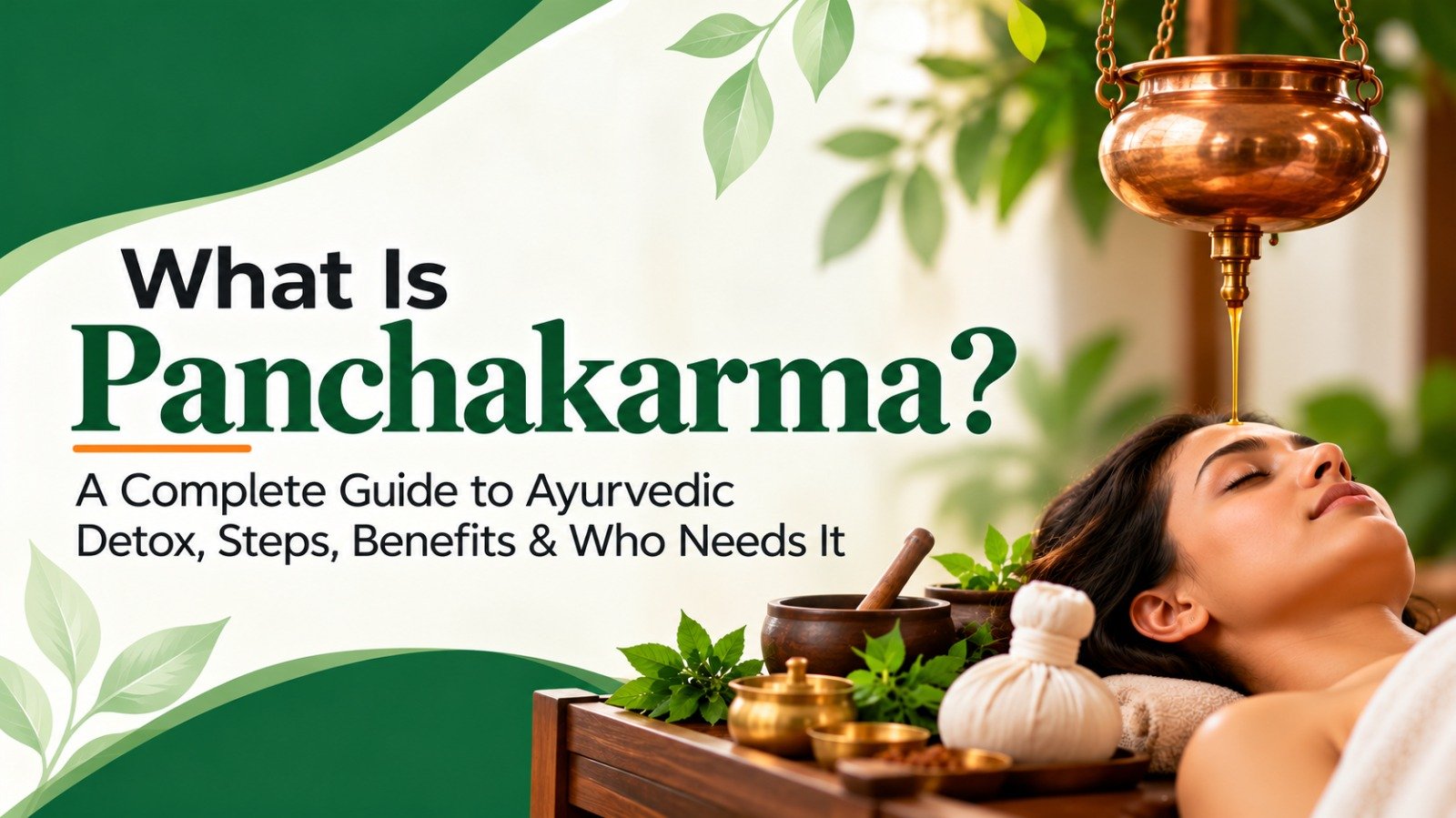
Panchakarma is one of the best-known traditional therapies in Ayurveda, an ancient Indian system of healthcare. It involves a series of specialised procedures designed to support health and well-being according to Ayurvedic principles. Depending on an individual’s health condition, an Ayurvedic practitioner may recommend therapies involving medicated oils, herbal preparations, massage, heat treatment and other procedures.
Many people explore Panchakarma to understand its role in traditional wellness, manage certain symptoms or complement their existing healthcare routine. However, Panchakarma is not suitable for everyone, and its benefits depend on the specific treatment, individual circumstances and available clinical evidence.
If you are considering Panchakarma Treatment in Delhi, understanding its procedures, potential benefits, preparation and safety precautions can help you make an informed decision.
What Is Panchakarma in Ayurveda?
The word Panchakarma comes from two Sanskrit words: Pancha, meaning five, and Karma, meaning actions or procedures. Traditionally, it refers to five therapeutic procedures used in Ayurveda to address health concerns and restore balance according to Ayurvedic principles.
Panchakarma is more than a relaxing massage or spa treatment. A traditional programme may involve an initial assessment, preparation, selected therapeutic procedures, dietary guidance and post-treatment care.
In Ayurveda, the approach is based partly on the concepts of three doshas—Vata, Pitta and Kapha—and the idea that their balance influences overall well-being. An Ayurvedic practitioner evaluates the individual’s condition before recommending an appropriate treatment plan.
It is important to understand that the Ayurvedic concept of removing toxins or balancing doshas is not equivalent to medically established detoxification. The body’s liver and kidneys already perform essential functions in processing and eliminating waste products.
The Five Main Panchakarma Procedures
Traditional Panchakarma describes five principal procedures. The exact treatment plan may differ according to the practitioner’s assessment, the patient’s condition and the specific Ayurvedic tradition followed.
1. Vamana — Therapeutic Emesis
Vamana is a traditional procedure involving medically induced vomiting under professional supervision. In Ayurveda, it is primarily associated with managing conditions attributed to an imbalance of Kapha.
This procedure requires careful assessment because induced vomiting can lead to dehydration, electrolyte disturbances and other complications. It should never be attempted at home or without qualified medical supervision.
2. Virechana — Therapeutic Purgation
Virechana involves the supervised use of prescribed preparations to induce bowel evacuation. Traditional Ayurvedic practice associates it with conditions involving Pitta imbalance.
The procedure may cause fluid loss and changes in electrolyte levels. Its suitability depends on factors such as hydration, existing medical conditions and current medications.
3. Basti — Medicated Enema Therapy
Basti involves administering prescribed preparations through the rectal route. Traditional Ayurvedic practice often associates this procedure with Vata-related conditions.
Different forms of Basti may use different preparations. Because the procedure carries potential risks, including infection and bowel-related complications, it requires appropriate clinical assessment and hygienic administration.
4. Nasya — Nasal Administration
Nasya involves administering prescribed oils or other preparations through the nose. In Ayurvedic practice, it is used in selected treatment plans involving the head, neck and nasal region.
The type of preparation, amount and suitability should be determined by a qualified practitioner. Nasal administration is not appropriate for every person or every nasal complaint.
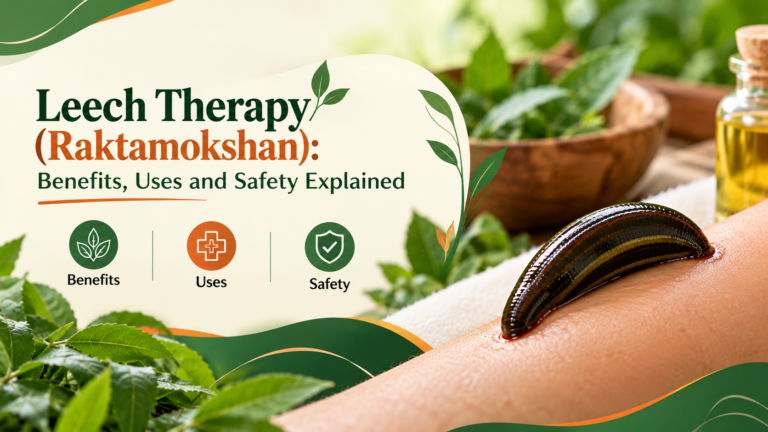
5. Raktamokshana — Traditional Bloodletting
Raktamokshana is a traditional procedure involving the removal of blood in selected circumstances. Some Ayurvedic traditions include it among the five principal procedures, although its use and classification can vary.
Bloodletting carries risks such as bleeding, infection and anaemia. It must not be treated as a routine wellness procedure or undertaken without appropriate medical oversight and proper infection-control measures.
Important: Not every Panchakarma programme includes all five procedures. Some centres offer preparatory treatments, massage, heat therapies and other supportive procedures as part of a broader Ayurvedic treatment plan.
What Are the Steps Involved in Panchakarma Treatment?
A Panchakarma programme is generally organised into three stages: preparation, the main therapeutic procedures and post-treatment care.
Step 1: Initial Consultation and Assessment
The process begins with a consultation. The practitioner reviews the patient’s medical history, current symptoms, lifestyle, medications and treatment goals.
An assessment helps determine whether a particular procedure is appropriate. Depending on the patient’s condition, the practitioner may recommend medical investigations or consultation with another healthcare professional.
Step 2: Purva Karma — Preparation
Purva Karma refers to preparatory procedures used in traditional Panchakarma practice. These may include:
- Snehana: The use of prescribed oils or fats internally or externally, depending on the treatment plan.
- Swedana: Selected heat or sweating therapies.
- Dietary guidance: Recommendations tailored to the individual’s health and the planned procedure.
These preparations are intended to ready the patient for the main procedures according to Ayurvedic principles. They should be adapted to individual needs rather than followed as a standard regimen by everyone.
Step 3: Pradhana Karma — Main Procedures
This stage involves the principal procedure or procedures selected by the practitioner. Depending on the treatment plan, these may include Vamana, Virechana, Basti, Nasya or Raktamokshana.
Some programmes may also include supportive treatments such as Abhyanga, a traditional oil massage, or Shirodhara, in which a liquid is gently poured over the forehead.
The procedures, frequency and duration should be determined individually. More intensive treatment is not necessarily better.
Step 4: Paschat Karma — Post-Treatment Care
Paschat Karma refers to the care recommended after the main procedures. This may include:
- Gradually returning to a suitable diet, where necessary.
- Maintaining adequate hydration.
- Following prescribed rest and activity recommendations.
- Attending follow-up consultations.
- Reviewing any symptoms or adverse reactions.
Patients should seek medical advice if they experience persistent vomiting, severe abdominal pain, fainting, significant weakness or other concerning symptoms.
What Are the Potential Benefits of Panchakarma?
Panchakarma is traditionally used as part of an individualised Ayurvedic healthcare approach. Some people also find supportive therapies relaxing or helpful for their sense of well-being. However, the evidence for specific medical benefits varies, and many claims associated with Ayurvedic detoxification have not been established by high-quality clinical research.
Potentially relevant aspects include:
1. Relaxation and Stress Management
Supportive therapies such as massage and certain relaxation practices may help some people feel calmer and more comfortable.
However, relaxation from massage should not be confused with proof that Panchakarma treats anxiety disorders, depression or other medical conditions.
2. Support for Healthy Lifestyle Habits
A supervised programme may encourage attention to eating patterns, sleep, daily routines and physical activity. These habits can contribute to general well-being when maintained consistently.
The benefits may come from these lifestyle changes rather than from any specific detoxification effect.
3. Personalised Traditional Healthcare
Panchakarma programmes are generally planned around an individual’s symptoms, health history and Ayurvedic assessment. This personalised approach may help patients discuss their concerns and receive structured guidance.
Personalisation alone, however, does not establish that a treatment is effective for a particular disease.
4. Temporary Relief from Muscle Tension
Oil massage and other gentle supportive therapies may help some people experience temporary relief from muscle tension or discomfort.
People with injuries, inflammatory conditions, skin problems or other medical concerns should obtain appropriate advice before undergoing massage or heat-based procedures.
5. A Structured Wellness Routine
Some patients value the opportunity to follow a planned routine with dietary advice, rest and professional supervision. A structured routine may encourage healthier daily habits.
It should not replace evidence-based medical treatment or be promoted as a guaranteed way to prevent disease.
Who May Consider Panchakarma?
Panchakarma may be worth discussing with a qualified Ayurvedic practitioner if you are interested in traditional Ayurvedic care and want to understand whether a particular procedure is suitable for you.
A consultation may be relevant for people who:
- Want to explore traditional Ayurvedic wellness practices.
- Are interested in massage or other supportive therapies for relaxation.
- Want professional guidance on Ayurvedic diet and lifestyle practices.
- Are considering complementary care alongside conventional treatment.
- Want to understand the possible risks and limitations of a proposed Panchakarma programme.
Whether someone should undergo Panchakarma depends on the specific procedure, their health status and a professional assessment. There is no universal recommendation that everyone needs an Ayurvedic detox.
Who Should Be Especially Careful?
Intensive procedures may be unsuitable or require additional assessment for people who are pregnant or breastfeeding, older adults who are frail, children, and people with dehydration, anaemia, kidney or heart disease, gastrointestinal disorders or other significant medical conditions.
People taking prescription medicines should disclose them before treatment. Those with chronic conditions should discuss the proposed procedures with their treating doctor.
How Long Does Panchakarma Treatment Take?
The duration of Panchakarma varies according to the selected procedures, the individual’s condition and the treatment plan.
A consultation or individual supportive therapy may take much less time than a comprehensive programme involving preparation, multiple procedures and follow-up care.
Before beginning treatment, ask the centre for a written schedule explaining:
- The procedures being recommended.
- The expected number of sessions.
- Preparation and recovery requirements.
- The need for follow-up visits.
- Any restrictions on work, travel or physical activity.
Avoid choosing a programme solely because it promises a faster or more intensive detox.
How to Choose a Panchakarma Centre in Delhi
If you are exploring Panchakarma Treatment in Delhi, choosing a suitable healthcare facility is an important part of the process.
Consider the following factors before making a decision.
1. Qualified practitioners: Confirm that the treating practitioner has appropriate qualifications and experience in Ayurveda and Panchakarma.
2. Initial health assessment: A responsible centre should review your medical history, medications and health concerns before recommending treatment.
3. Hygiene and safety: Check that equipment, treatment rooms and reusable instruments are managed according to appropriate hygiene and infection-control standards.
4. Transparent treatment plans: Ask what each procedure involves, why it is being recommended, what risks it carries and what alternatives are available.
5. Clear pricing: Request a written estimate instead of relying only on promotional offers or advertised package prices.
6. Coordination with other healthcare providers: If you have a chronic condition or take regular medication, the centre should encourage appropriate coordination with your existing medical team.
7. Realistic claims: Be cautious of facilities that guarantee a cure, promise to eliminate all toxins or recommend stopping prescribed medication without consulting the doctor responsible for your care.
Is Panchakarma Safe?
Panchakarma safety depends on the procedure, the patient’s health and the quality of clinical supervision.
Some components, such as gentle massage, may carry relatively low risks for suitable individuals. Other procedures, particularly induced vomiting, purgation, enemas and bloodletting, can cause complications.
There are additional concerns about some Ayurvedic preparations, which may contain ingredients or contaminants that can be harmful. Product quality and appropriate prescribing are therefore important considerations.
For safer care:
- Consult a qualified practitioner before beginning treatment.
- Share your complete medical history and medication list.
- Do not stop prescribed medicines without advice from the prescribing clinician.
- Avoid unsupervised fasting, purging, enemas or herbal preparations.
- Seek medical attention if you experience severe or persistent symptoms.
Scientific evidence supporting commercial detox programmes remains limited, and claims that a treatment removes unspecified toxins or cures chronic diseases should be evaluated carefully.
For further reading, consult the National Center for Complementary and Integrative Health’s guidance on detoxes and cleanses and its overview of Ayurvedic medicine.
Frequently Asked Questions About Panchakarma
1. What is Panchakarma used for?
Panchakarma is a group of traditional Ayurvedic procedures used in individualised treatment plans. Its intended use depends on the selected procedure and the practitioner’s assessment. Claims of universal detoxification or guaranteed disease treatment are not supported by strong clinical evidence.
2. Is Panchakarma suitable for everyone?
No. Suitability depends on age, medical history, current medications and the proposed procedure. Some people may need modifications or should avoid particular treatments altogether.
3. Does Panchakarma help with weight loss?
Panchakarma should not be considered a proven weight-loss treatment. Any short-term change in weight during an intensive programme may reflect changes in food intake or fluid balance rather than sustained fat loss. Long-term weight management generally depends on sustainable dietary, activity and behavioural habits.
4. Is Panchakarma the same as an Ayurvedic massage?
No. Massage, including Abhyanga, may be offered as a supportive Ayurvedic therapy, but it is not the same as the full traditional Panchakarma system. Panchakarma may involve more intensive procedures requiring specific preparation and supervision.
5. Can Panchakarma cure chronic diseases?
There is insufficient high-quality evidence to conclude that Panchakarma cures chronic diseases. Anyone managing a long-term medical condition should continue appropriate medical care and discuss complementary therapies with their treating clinician.
6. How do I find Panchakarma Treatment in Delhi?
Start by identifying qualified Ayurvedic practitioners and healthcare facilities that offer the specific procedure you are considering. Review their credentials, safety practices, consultation process and pricing before booking.
7. What should I ask before starting Panchakarma?
Ask which procedures are recommended and why, what benefits are realistically expected, what risks apply to your health, how much treatment will cost and whether any changes to your diet, medicines or daily routine are necessary.
Conclusion
Panchakarma is an established traditional component of Ayurveda that involves five principal procedures and may include preparatory therapies, dietary guidance and follow-up care. Its application varies according to the individual and the treatment being considered.
Understanding the procedures, their limitations and their potential risks is essential before deciding whether Panchakarma is appropriate for you. A qualified practitioner should provide an individual assessment, explain the proposed treatment and discuss safer alternatives where necessary.
If you are considering Panchakarma Treatment in Delhi, prioritise qualified care, hygienic facilities, transparent pricing and realistic expectations. An informed decision can help you explore traditional Ayurvedic healthcare while protecting your overall health and well-being.