Spondylosis and Back Pain: How Ayurveda Approaches Long-Term Relief
Persistent back pain can make even simple activities, such as sitting at a desk, walking, bending, or getting out of bed, uncomfortable. One possible cause is spondylosis, a condition associated with age-related changes in the spine. While these changes are common, their effects differ from person to person. Some individuals experience occasional stiffness, while others may develop persistent discomfort that affects their daily routine.
Along with conventional medical care, some people explore Ayurveda for additional support in managing back discomfort and maintaining mobility. Traditional Ayurvedic approaches may include local therapies, massage, lifestyle adjustments, and personalised care based on an individual’s needs.
For people experiencing lower-back discomfort, Kati Basti Therapy in Delhi is one traditional treatment they may wish to understand. Knowing how this therapy works, what its limitations are, and when medical attention is necessary can help people make informed decisions about their care.
Understanding Spondylosis and Its Connection to Back Pain
Spondylosis describes degenerative changes affecting structures of the spine, including the intervertebral discs and joints. These changes may develop gradually with age and can affect the cervical spine in the neck or the lumbar spine in the lower back.
Not everyone with spondylosis experiences pain. In some cases, spinal changes are discovered during imaging performed for another reason. Symptoms may occur when surrounding structures become irritated or when nerves are affected.
Common symptoms associated with spondylosis include:
- Recurring pain in the neck or lower back.
- Stiffness after sleeping or remaining seated for extended periods.
- Difficulty bending, twisting, or moving comfortably.
- Reduced flexibility during everyday activities.
- Pain spreading towards the buttocks or legs in some cases.
- Tingling, numbness, or weakness when nerve involvement occurs.
Because several conditions can produce similar symptoms, a medical assessment is important before deciding on a treatment approach.
How Ayurveda Approaches Persistent Back Discomfort
Ayurveda is a traditional system of medicine that considers lifestyle, individual health patterns, diet, and therapeutic practices when developing a care plan. In traditional Ayurvedic theory, musculoskeletal discomfort may be associated with an imbalance in Vata dosha.
This traditional explanation differs from the biomedical understanding of spinal degeneration. Ayurveda should therefore be considered within the context of an accurate diagnosis and appropriate medical care.
Depending on an individual’s condition, an Ayurvedic practitioner may discuss therapies intended to support relaxation and comfort, together with suitable lifestyle recommendations. The choice of treatment should take into account symptom severity, medical history, mobility, and any existing nerve-related symptoms.
1. Kati Basti Therapy for Lower-Back Discomfort
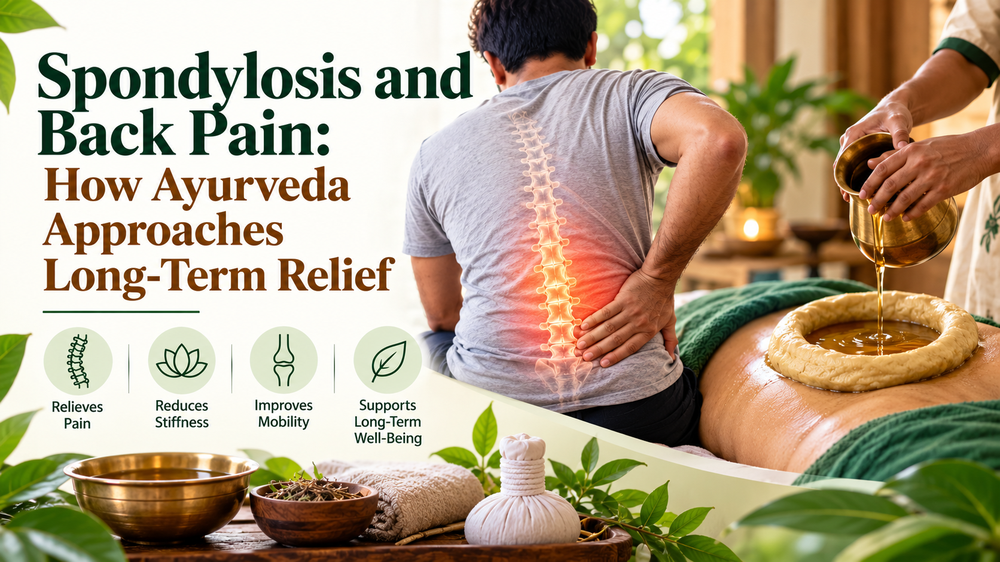
Kati Basti is a traditional Ayurvedic procedure involving the application of warm oil to the lower-back region. During the treatment, a ring made from a dough-like material is placed over the area, and warm oil is held within it for a prescribed period.
People exploring Kati Basti Therapy in Delhi may be interested in its traditional use for lower-back stiffness and muscular discomfort.
The procedure may offer a relaxing experience, and local warmth may temporarily ease muscular tightness for some individuals. However, high-quality clinical evidence specifically establishing Kati Basti as an effective treatment for spondylosis remains limited.
It is important to understand that this therapy has not been established as a way to reverse spinal degeneration, repair damaged discs, or remove nerve compression.
Before undergoing treatment, consult a qualified practitioner who can assess whether the procedure is appropriate for your condition. The temperature of the oil must be carefully controlled to prevent burns, particularly in people with reduced skin sensation.
2. Abhyangam for Relaxation and Muscular Tension
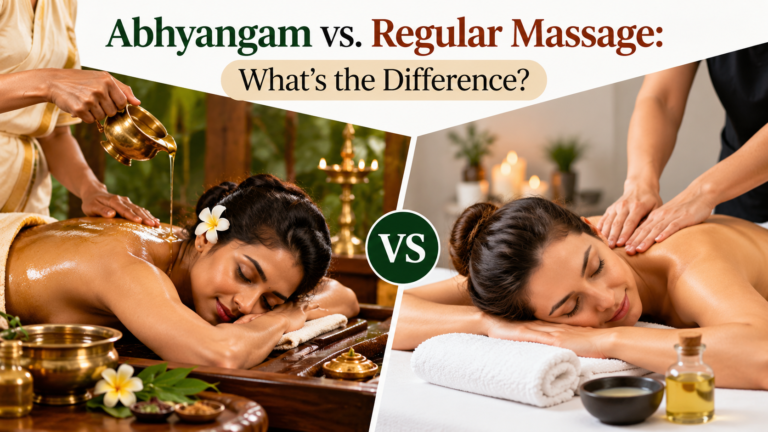
Abhyangam is an Ayurvedic oil-massage practice traditionally used to promote relaxation and general well-being. Depending on the person’s symptoms, gentle massage may be considered as part of a broader approach to managing muscular discomfort.
Potential benefits of massage for some people with back pain may include temporary relief from muscular tension and improved comfort. However, these potential effects should not be confused with treating the underlying degenerative changes associated with spondylosis.
Massage techniques should be selected carefully. Forceful pressure or spinal manipulation may be inappropriate for certain conditions, particularly when pain is accompanied by numbness, weakness, acute injury, or suspected nerve compression.
3. Personalised Ayurvedic Care and Lifestyle Guidance
Ayurvedic treatment plans may include recommendations related to daily routines, sleep, diet, and other traditional therapies. These recommendations should be tailored to the individual’s health status rather than applied as a universal treatment for every type of back pain.
A responsible practitioner should explain the expected benefits, possible risks, and limitations of each procedure.
People considering oral Ayurvedic medicines should also discuss them with their healthcare professional. Some preparations can interact with prescribed medication or contain harmful contaminants, so product quality and professional supervision are important.
Why a Combined Approach to Back-Pain Management Matters
Long-term back-pain management often requires more than one intervention. Although complementary therapies may help some people feel more comfortable, conventional assessment remains important for identifying the cause of symptoms and preventing complications.
Depending on the diagnosis, a healthcare professional may recommend the following approaches.
- Physiotherapy and exercise: An appropriate exercise programme can help improve strength, flexibility, balance, and the ability to perform daily activities.
- Activity modification: Taking regular movement breaks, adjusting working positions, and avoiding movements that consistently aggravate symptoms may help improve comfort.
- Medical treatment: A doctor may recommend suitable pain-relief medication or other interventions after considering the individual’s medical history and potential risks.
- Further assessment: Persistent or worsening symptoms, especially those associated with neurological changes, may require additional investigations or specialist evaluation.
Ayurvedic therapies may be explored as complementary options when appropriate, but they should not replace necessary medical treatment or delay assessment of concerning symptoms.
Everyday Habits That Can Support Back Health
Daily habits play an important role in maintaining mobility and managing recurring back discomfort. Small, consistent changes may be more practical than relying on a single therapy.
Stay physically active
Walking and other comfortable forms of movement can help maintain mobility. Avoid prolonged bed rest unless specifically advised by a healthcare professional. If exercise increases pain substantially or causes symptoms to spread into the legs, seek professional guidance.
Improve your sitting routine
People who work at desks for long hours can benefit from changing positions regularly. Keep frequently used items within easy reach and adjust the chair and screen to support a comfortable working posture.
Follow a suitable strengthening programme
Exercises that strengthen the trunk, hips, and surrounding muscles may improve physical function. A physiotherapist can help select exercises based on the individual’s symptoms and physical capabilities.
Maintain a consistent sleep routine
Adequate sleep supports general well-being and recovery. Choose a sleeping position and mattress that feel comfortable, and consider professional advice if pain repeatedly interrupts sleep.
Eat a balanced diet
A varied diet with sufficient protein, vegetables, fruits, and other nutrient-rich foods supports general health. Good nutrition is valuable, but no particular food or diet has been shown to reverse spondylosis.
When Should You Seek Medical Attention?
Not all back pain requires emergency treatment, but certain symptoms should never be ignored.
Seek emergency medical care if you experience:
- New loss of bladder or bowel control.
- Numbness around the groin, buttocks, or inner thighs.
- Sudden or rapidly worsening weakness in the legs.
These may indicate serious nerve compression that requires urgent evaluation.
You should also consult a doctor promptly if back pain follows a significant injury, occurs with fever, is accompanied by unexplained weight loss, or becomes progressively worse. Persistent pain that interferes with sleep or everyday activities also deserves assessment.
Do not attempt to manage these symptoms through massage or traditional therapies alone.
Choosing the Right Ayurvedic Clinic in Delhi
If you are considering traditional therapies for lower-back discomfort, choosing a qualified and transparent provider is an important part of the process.
When researching a clinic offering Kati Basti Therapy in Delhi, consider these factors:
- Practitioner qualifications: Check the practitioner’s relevant training, registration, and experience.
- Initial consultation: A proper assessment should take place before treatment is recommended.
- Treatment transparency: Ask about the procedure, expected outcomes, possible side effects, and alternative options.
- Patient safety: The clinic should recognise warning signs that require referral to a doctor or specialist.
- Clear pricing: Understand the consultation fee, cost per session, and any additional charges before starting.
- Realistic claims: Avoid providers who promise guaranteed cures, permanent pain relief, or reversal of spinal degeneration.
A trustworthy clinic should support informed decisions and acknowledge that treatment outcomes vary from person to person.
Conclusion
Spondylosis can be associated with recurring back pain, stiffness, and reduced mobility, but the severity of symptoms varies widely. Effective management begins with understanding the cause of the discomfort and choosing an appropriate treatment plan.
Traditional Ayurvedic practices, including Kati Basti and Abhyangam, may be considered by people seeking complementary support for relaxation and muscular discomfort. However, scientific evidence supporting these therapies specifically for spondylosis remains limited, and neither should be presented as a cure for degenerative spinal changes.
For individuals researching Kati Basti Therapy in Delhi, consulting a qualified practitioner and discussing treatment options with a healthcare professional can help establish a safer approach. Depending on the diagnosis, a plan combining appropriate medical care, physiotherapy, regular movement, and carefully selected complementary therapies may support better everyday function.
The priority should always be safe, sustainable symptom management and improved quality of life.
Frequently Asked Questions
1. Can Ayurveda provide long-term relief from spondylosis?
Ayurvedic therapies may be explored as complementary options for relaxation and symptom management. However, strong clinical evidence that Ayurveda reverses spondylosis or provides reliable long-term relief specifically for this condition is lacking. Treatment should be based on an appropriate diagnosis.
2. What is Kati Basti Therapy used for?
Kati Basti is a traditional Ayurvedic procedure in which warm oil is held over the lower-back region. It is traditionally used for lower-back discomfort and stiffness, although clinical evidence for its effectiveness in treating spondylosis remains limited.
3. Is Kati Basti safe for people with chronic back pain?
Its suitability depends on the underlying cause of the pain and the person’s medical history. A qualified practitioner should assess the condition before treatment. Suspected nerve compression, reduced skin sensation, and serious spinal conditions require particular caution.
4. What else can help manage spondylosis?
Depending on the symptoms and diagnosis, management may include physiotherapy, appropriate exercise, activity modification, medical treatment, and lifestyle adjustments. Complementary therapies may be considered when suitable.
5. Can spondylosis be completely cured?
Age-related degenerative changes in the spine generally cannot be reversed through massage or Ayurvedic therapies. However, many people can manage their symptoms and maintain daily function through an appropriate treatment plan.
6. When should back pain be evaluated by a doctor?
Seek medical advice if back pain persists, worsens, or limits daily activities. New bladder or bowel control problems, numbness around the groin, or rapidly developing leg weakness require emergency medical evaluation.