Introduction
Polycystic Ovary Syndrome (PCOS), also commonly referred to as PCOD, is a hormonal and metabolic condition that affects many women during their reproductive years. It can influence menstrual cycles, hormonal balance, skin health, weight management, and fertility.
Women experiencing PCOS may notice irregular periods, acne, unwanted facial hair, weight changes, hair thinning, or difficulty conceiving. The symptoms and their severity can vary considerably from one individual to another.
Managing PCOS often requires more than addressing individual symptoms. Dietary habits, physical activity, sleep quality, stress management, and appropriate medical care all play important roles.
Ayurveda offers a traditional approach to women’s wellness that emphasises personalised nutrition, daily routines, herbal preparations, and therapies such as Panchakarma. These approaches are sometimes explored alongside conventional PCOS management.
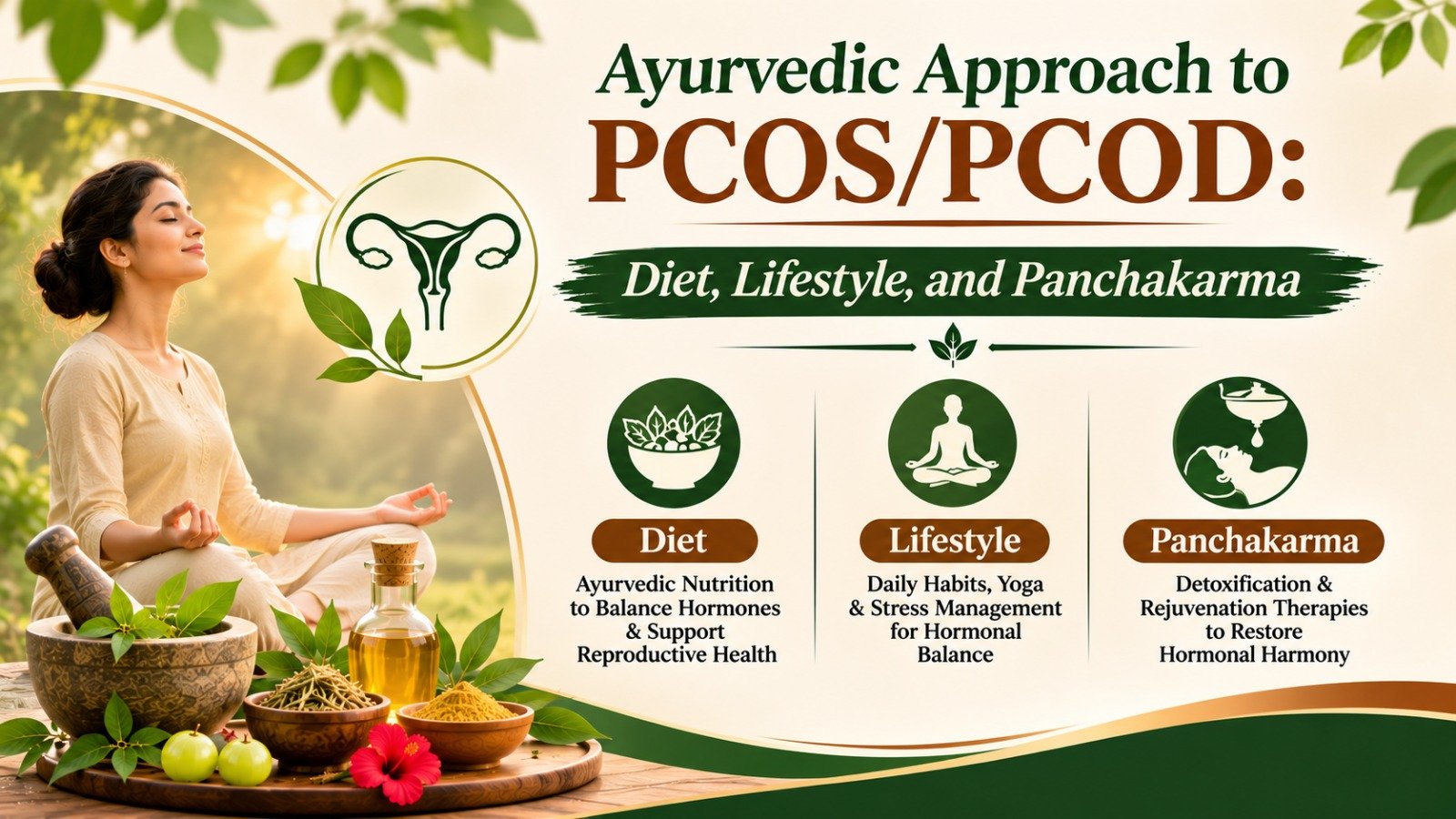
In this article, we explore how Ayurveda approaches PCOS/PCOD, which dietary and lifestyle habits may support hormonal and metabolic health, and what role Panchakarma may have in a personalised wellness plan.
What Is PCOS/PCOD?
PCOS is a common hormonal condition involving reproductive and metabolic changes. It is associated with elevated androgen levels, irregular ovulation, and sometimes polycystic ovarian morphology on ultrasound. Despite its name, having ovarian cysts is not necessary for a PCOS diagnosis.
Common symptoms include:
- Irregular menstrual cycles: Periods may occur infrequently or become unpredictable.
- Acne and oily skin: Hormonal changes can increase oil production and contribute to persistent acne.
- Unwanted facial hair: Higher androgen levels may cause excessive hair growth on the chin, upper lip, or other areas.
- Hair thinning: Some women experience thinning hair, particularly around the scalp.
- Weight management difficulties: Insulin resistance and metabolic changes may contribute to weight-related challenges.
- Fertility concerns: Irregular ovulation can make conception more difficult for some women.
PCOS is also associated with an increased likelihood of insulin resistance, type 2 diabetes, and certain cardiovascular risk factors. Early diagnosis and appropriate management can help address these concerns.
Understanding PCOS Through the Ayurvedic Perspective
Ayurveda approaches health by considering the body’s overall functioning, individual constitution, digestion, lifestyle, and balance of the three Doshas: Vata, Pitta, and Kapha.
In traditional Ayurvedic interpretations, symptoms associated with PCOS may be discussed in relation to disturbances involving Kapha and Vata, impaired metabolic processes, and the reproductive system.
Some Ayurvedic practitioners also discuss concepts such as Artava Dhatu and Agni when explaining menstrual and reproductive health.
These are traditional Ayurvedic concepts and should not be treated as direct equivalents of modern medical explanations such as insulin resistance, hyperandrogenism, or ovarian dysfunction.
The Ayurvedic approach generally focuses on:
- Supporting healthy digestion and metabolic function.
- Encouraging balanced dietary habits.
- Maintaining regular physical activity.
- Supporting menstrual and reproductive wellness.
- Managing stress and improving sleep quality.
- Considering personalised traditional therapies where appropriate.
The goal should be to complement evidence-based PCOS care rather than replace it.
Ayurvedic Diet for PCOS/PCOD: Foods to Include and Avoid
Diet plays an important role in managing PCOS, particularly because insulin resistance is common among women with this condition.
From an Ayurvedic perspective, dietary choices are often personalised according to individual needs, digestion, and constitution. A balanced diet that supports metabolic health can also complement conventional PCOS management.
1. Include Fibre-Rich Foods
Fibre-rich foods can support digestion, improve meal satisfaction, and contribute to better blood sugar management.
Consider including:
- Oats and whole grains.
- Green leafy vegetables.
- Carrots, cucumber, and broccoli.
- Apples, guava, and berries.
- Lentils, chickpeas, and beans.
These foods provide fibre and essential nutrients that support overall metabolic health.
2. Choose Protein-Rich Foods
Including protein in meals can help maintain fullness and support muscle health.
Suitable options include:
- Moong dal and other lentils.
- Chickpeas and kidney beans.
- Paneer and tofu.
- Eggs.
- Fish and lean poultry, if preferred.
- Unsweetened curd.
A combination of protein, fibre, and healthy fats can help create more balanced meals.
3. Include Healthy Fats
Healthy fats are an important part of a balanced diet and support normal bodily functions.
Consider adding:
- Almonds and walnuts.
- Flaxseeds and chia seeds.
- Pumpkin seeds.
- Sesame seeds.
- Olive or mustard oil in appropriate quantities.
These foods can contribute beneficial unsaturated fats and other nutrients.
4. Reduce Excessive Added Sugar and Highly Processed Foods
Women managing PCOS may benefit from limiting frequent consumption of foods that are high in added sugar and low in nutritional value.
Try to reduce:
- Sugary beverages and packaged juices.
- Excessive sweets and desserts.
- Refined flour-based snacks.
- Highly processed packaged foods.
- Frequent deep-fried foods.
This does not mean eliminating every favourite food. Sustainable eating habits are generally more practical than highly restrictive diets.
5. Maintain Regular Meal Patterns
Long gaps between meals may not suit everyone’s lifestyle or appetite. Maintaining a consistent eating routine can make it easier to manage hunger and maintain balanced nutrition.
A practical meal pattern might include:
| Meal | Food suggestions |
| Breakfast | Vegetable poha, moong dal chilla or oats |
| Mid-morning | Guava, apple or a handful of nuts |
| Lunch | Roti, dal, seasonal vegetables and curd |
| Evening snack | Roasted chana or unsweetened yoghurt |
| Dinner | Vegetable khichdi, dal or roti with vegetables |
There is no single PCOS diet that works best for everyone. International evidence-based guidelines recommend sustainable, nutritionally balanced eating patterns tailored to individual preferences and needs.
Lifestyle Changes That May Support PCOS Management
Along with dietary habits, lifestyle management is an important part of addressing PCOS.
The following habits may support metabolic health, emotional well-being, and overall quality of life.
1. Practise Yoga and Regular Physical Activity
Yoga is a traditional practice that combines physical postures, breathing exercises, and relaxation.
Women managing PCOS may explore gentle yoga practices such as:
- Bhujangasana (Cobra Pose).
- Baddha Konasana (Butterfly Pose).
- Balasana (Child’s Pose).
- Setu Bandhasana (Bridge Pose).
- Sukhasana (Easy Pose).
These practices may support flexibility, relaxation, and physical activity. However, no particular yoga posture has been proven to reverse PCOS or regulate hormones directly.
Walking, cycling, swimming, and strength training are also useful options. Adults should generally aim for 150–300 minutes of moderate-intensity physical activity each week, alongside muscle-strengthening activities on at least two days.
PMC+1
2. Prioritise Quality Sleep
Sleep is an important part of metabolic and emotional health.
Women with PCOS may experience sleep difficulties, and obstructive sleep apnoea is more common in this population, particularly when additional risk factors are present.
Helpful habits include:
- Maintaining a consistent bedtime.
- Reducing screen exposure before sleeping.
- Avoiding excessive caffeine late in the day.
- Keeping the bedroom comfortable and quiet.
- Seeking medical advice for persistent snoring or daytime sleepiness.
3. Manage Stress
Long-term stress can affect emotional well-being and make healthy routines more difficult to maintain.
Relaxation practices may include:
- Meditation.
- Deep breathing exercises.
- Gentle yoga.
- Spending time outdoors.
- Maintaining enjoyable hobbies.
Stress management is not a cure for PCOS, but it can be a valuable part of overall care.
4. Maintain a Sustainable Weight-Management Routine
For women who have a higher body weight, appropriate weight management may improve certain metabolic and reproductive outcomes.
However, PCOS can also affect women who are not overweight.
Healthy habits provide benefits even without weight loss. Therefore, the focus should be on overall health rather than pursuing a particular body shape or following extreme diets.
Oxford Academic+1
Role of Panchakarma in the Ayurvedic Approach to PCOS
Panchakarma is a group of traditional Ayurvedic procedures intended to support the body’s cleansing and therapeutic processes according to Ayurvedic principles.
Some Ayurvedic practitioners may consider Panchakarma as part of an individualised wellness plan for women experiencing PCOS-related concerns.
However, it is important to understand that Panchakarma has not been established as a clinically proven treatment for PCOS, insulin resistance, or infertility.
1. Abhyanga Therapy
Abhyanga is a traditional Ayurvedic massage performed using selected oils.
It involves applying oil through structured massage movements. In Ayurvedic practice, it is associated with relaxation and general wellness.
Potential wellness role: May provide relaxation and temporary relief from muscular tension. It has not been proven to correct hormonal imbalances associated with PCOS.
2. Swedana Therapy
Swedana refers to traditional Ayurvedic heat-based or sweating therapies.
Depending on the method, it may involve herbal steam or other controlled warming techniques.
Potential wellness role: May promote relaxation and temporary muscular comfort. It should not be considered a treatment for ovarian cysts or insulin resistance.
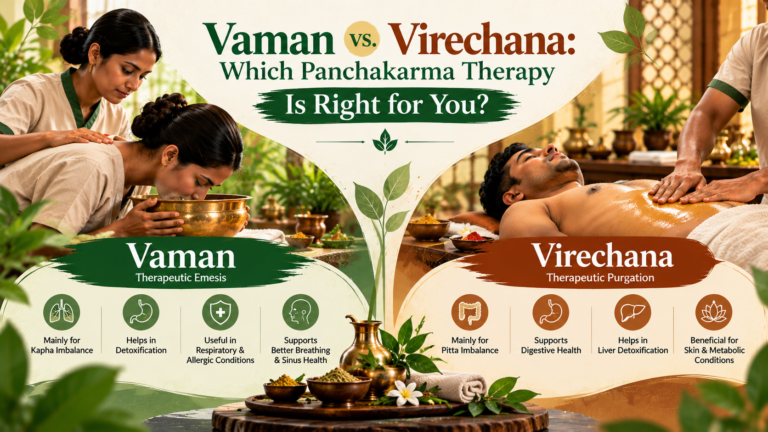
3. Virechana Therapy
Virechana is a traditional Ayurvedic procedure involving therapeutic purgation.
In Ayurveda, it is associated with the management of certain Pitta-related imbalances.
Potential wellness role: It may be discussed within traditional Ayurvedic treatment plans, but there is insufficient reliable evidence that it improves PCOS outcomes.
It can also cause dehydration and electrolyte disturbances, making unsupervised use particularly unsafe.
4. Basti Therapy
Basti is a traditional Ayurvedic procedure involving the administration of prescribed preparations through the rectal route.
Different forms of Basti are described in Ayurvedic practice.
Potential wellness role: It is sometimes included in personalised Ayurvedic treatment plans, but its effectiveness for treating PCOS has not been established through robust clinical trials.
Important Considerations Before Panchakarma
Not every Panchakarma procedure is suitable for every individual. Women who are pregnant, trying to conceive, experiencing significant menstrual irregularities, or managing other medical conditions should receive appropriate medical assessment before considering these procedures.
Avoid aggressive detoxification, unsupervised purgation, and unverified herbal products.
Can Ayurvedic Herbs Help with PCOS/PCOD?
Certain Ayurvedic herbs are traditionally used in women’s wellness and reproductive health practices. Some have also been investigated for their possible effects on metabolic and hormonal parameters.
Commonly discussed herbs include:
| Ayurvedic herb | Traditional use |
| Shatavari | Traditionally associated with women’s reproductive wellness |
| Ashwagandha | Traditionally used for stress management and general wellness |
| Guduchi | Traditionally used in Ayurvedic wellness formulations |
| Triphala | Traditionally associated with digestive health |
| Turmeric | Traditionally used for its anti-inflammatory properties |
Although some preliminary research has explored these herbs, evidence supporting their effectiveness specifically for PCOS remains limited.
Herbal supplements can also interact with medications and may have side effects. Some Ayurvedic preparations have been found to contain potentially harmful levels of heavy metals, including lead, mercury, and arsenic.
NCCIH
Always consult a qualified healthcare professional before starting herbal supplements, particularly if you are taking medication, planning pregnancy, or undergoing fertility treatment.
Ayurveda vs. Modern Medical Treatment for PCOS
Both approaches have different foundations and should be understood clearly.
| Aspect | Ayurvedic Approach | Modern Medical Approach |
| Main focus | Traditional holistic wellness | Evidence-based symptom and risk management |
| Diet | Personalised dietary practices | Individualised nutritional guidance |
| Lifestyle | Yoga, relaxation and daily routines | Physical activity, sleep and behavioural support |
| Medication | Selected traditional herbal preparations | Prescribed hormonal and metabolic medications |
| Therapies | Traditional procedures such as Panchakarma | Medical and fertility-related interventions |
| Evidence | Limited PCOS-specific clinical evidence | Established clinical guidelines and research |
Modern medical management may include:
- Combined oral contraceptive pills for certain menstrual and androgen-related symptoms.
- Metformin for selected metabolic indications.
- Medicines for acne or unwanted hair growth when appropriate.
- Ovulation-induction treatments for women experiencing infertility.
Treatment depends on symptoms, medical history, and reproductive goals. Ayurvedic practices, if chosen, should complement rather than replace appropriate medical care.
When Should You Consult a Healthcare Professional?
PCOS symptoms can overlap with other hormonal and reproductive conditions. Professional evaluation is important for an accurate diagnosis.
Consider consulting a gynaecologist or endocrinologist if you experience:
- Menstrual cycles that are consistently irregular.
- Periods that stop for several months.
- Persistent acne or excessive facial hair.
- Unexplained weight changes.
- Difficulty conceiving.
- Symptoms suggesting high blood sugar.
A healthcare professional may recommend hormonal investigations, metabolic screening, and other assessments depending on your symptoms.
Women with PCOS should also discuss regular monitoring of blood pressure, blood glucose, cholesterol, and endometrial health where appropriate.
Frequently Asked Questions (FAQs)
1. Can Ayurveda completely cure PCOS/PCOD?
There is currently no established cure for PCOS. Ayurveda offers traditional wellness approaches, but there is insufficient scientific evidence to establish that Ayurvedic treatments can permanently eliminate PCOS.
2. Which Ayurvedic treatment is best for PCOS?
There is no universally established best Ayurvedic treatment for PCOS. A qualified practitioner may suggest personalised dietary and lifestyle approaches, but their recommendations should be evaluated alongside evidence-based medical care.
3. Can Panchakarma help with PCOS?
Panchakarma is traditionally used as part of Ayurvedic wellness practices. However, high-quality clinical evidence demonstrating that Panchakarma treats PCOS or restores hormonal balance is currently insufficient.
4. Which foods should women with PCOS avoid?
It may be helpful to limit excessive added sugar, sugary beverages, and highly processed foods. However, there is no requirement to completely eliminate carbohydrates, dairy, or gluten unless there is an individual medical reason.
5. Is yoga beneficial for women with PCOS?
Yoga can support physical activity, flexibility, relaxation, and emotional well-being. It can complement other healthy lifestyle practices but should not replace medical treatment.
6. Can PCOS affect fertility?
Yes. PCOS can cause irregular or absent ovulation, making conception more difficult for some women. However, many women with PCOS conceive naturally or with appropriate fertility treatment.
7. Is weight loss necessary for managing PCOS?
No. Women with PCOS can have different body weights. Healthy eating, regular physical activity, and metabolic health are important regardless of weight. Weight management may be beneficial for some individuals, depending on their clinical needs.
8. How long does PCOS management take?
PCOS is a long-term condition, and management varies from person to person. Some symptoms may improve within months of appropriate treatment and lifestyle changes, while others require longer-term care.
Conclusion
Managing PCOS/PCOD requires a comprehensive approach that considers hormonal health, metabolic function, reproductive goals, and overall well-being.
Ayurveda offers traditional practices involving personalised dietary recommendations, lifestyle routines, yoga, herbal preparations, and Panchakarma therapies. These approaches may be explored as complementary wellness practices, provided their limitations and safety considerations are understood.
A balanced diet, regular physical activity, quality sleep, and stress management remain important foundations of PCOS care. Combining these habits with appropriate medical evaluation and treatment can help women make informed decisions about their health.
If you are exploring the best Ayurvedic treatment for PCOS, consult qualified healthcare professionals who can help you understand suitable options based on your individual needs.