Introduction
Hair fall is a common concern that affects people of different ages and genders. Finding extra strands on your pillow, noticing thinning around the hairline, or seeing more hair than usual in your comb can be frustrating. While losing some hair every day is normal, excessive or persistent hair fall may indicate an underlying issue that needs attention.
Factors such as nutritional deficiencies, hormonal changes, stress, genetics, scalp conditions, thyroid disorders, and certain medications can contribute to hair loss.
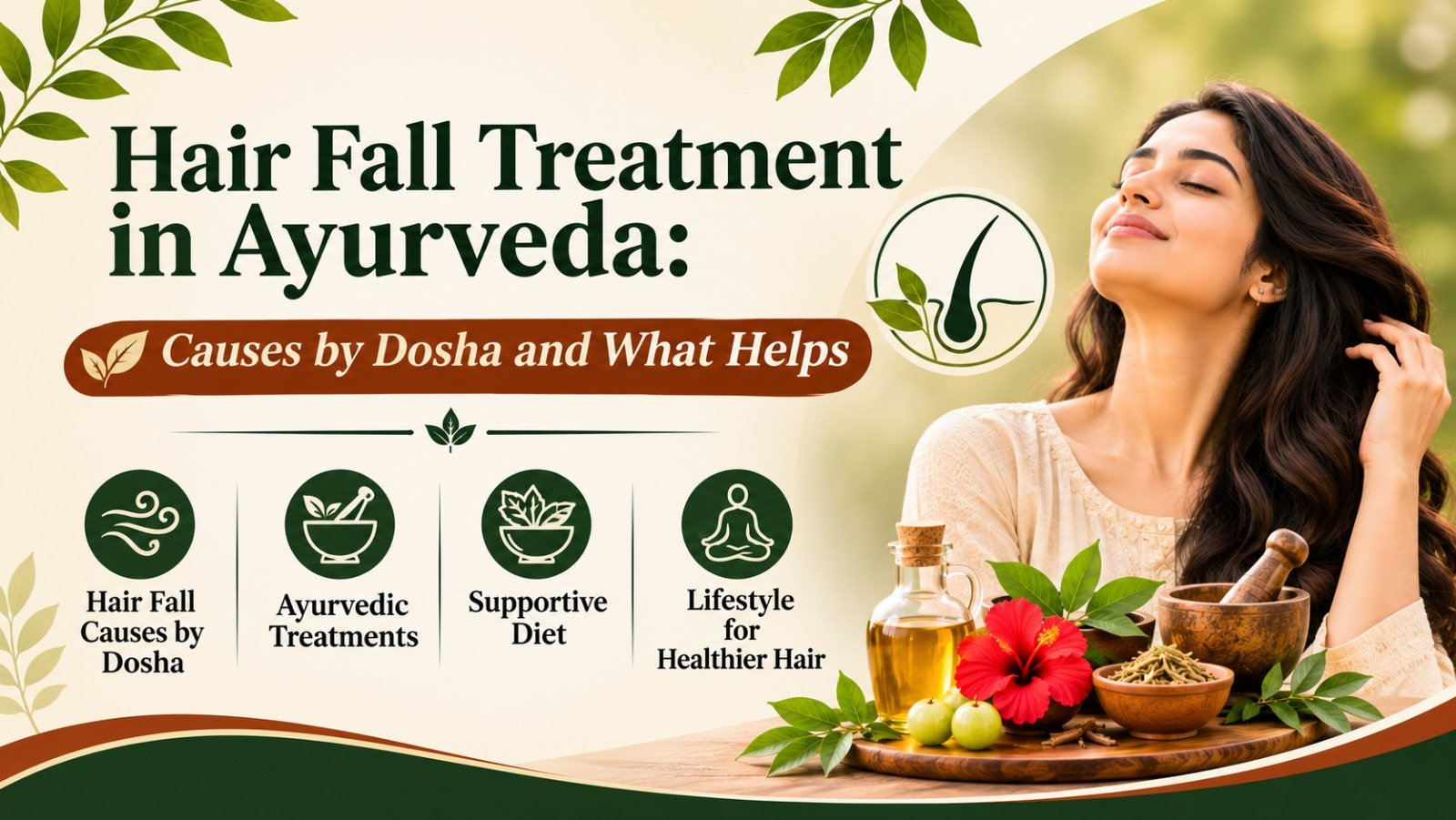
Ayurveda approaches hair health through a traditional understanding of the body’s Doshas, particularly Vata, Pitta, and Kapha. It also emphasises balanced nutrition, appropriate hair care, lifestyle habits, and selected herbal preparations. But how does Ayurveda explain hair fall? Which Dosha is associated with different hair concerns, and what traditional approaches may help?
In this article, we explore Ayurvedic perspectives on hair fall, its possible causes, traditional remedies, dietary recommendations, and the importance of identifying the underlying medical cause.
What Is Hair Fall?
Hair fall is the natural process through which older hair strands are shed and replaced by new growth. A healthy scalp normally goes through three major stages of the hair growth cycle:
- Anagen (Growth Phase): Hair actively grows from the follicles. This phase can last several years.
- Catagen (Transition Phase): Hair growth slows down, and the follicle begins to shrink.
- Telogen (Resting Phase): Hair stops growing temporarily before eventually shedding and making room for new growth.
Losing approximately 50–100 hairs daily is generally considered normal. However, noticeable thinning, bald patches, excessive shedding, or a gradually receding hairline may indicate a hair-loss condition. Understanding the cause is the first step towards choosing an appropriate treatment.
Understanding Hair Fall Through the Ayurvedic Perspective
In Ayurveda, hair health is traditionally associated with overall nourishment, metabolism, and the balance of the three Doshas.
The three Doshas are:
- Vata: Associated with movement, dryness, and bodily regulation.
- Pitta: Associated with heat, transformation, and metabolism.
- Kapha: Associated with structure, stability, and lubrication.
Traditional Ayurvedic interpretations associate different hair and scalp concerns with disturbances in these Doshas. It is important to understand that Dosha-based explanations are traditional Ayurvedic concepts, not scientifically established causes of hair loss. Modern medicine identifies conditions such as androgenetic alopecia, telogen effluvium, alopecia areata, and inflammatory scalp disorders.
Hair Fall Causes According to the Three Doshas
Ayurveda describes different patterns of hair and scalp concerns through the three Doshas. Understanding these traditional interpretations helps explain why Ayurvedic practitioners may recommend different hair-care approaches for different individuals.
1. Vata Dosha and Hair Fall
Vata is traditionally associated with dryness, movement, and irregularity. According to Ayurvedic interpretation, an imbalance in Vata may be associated with:
- Dry and rough hair.
- Brittle hair strands.
- Increased hair breakage.
- Dryness and flakiness of the scalp.
- Hair that appears weak or lacks nourishment.
What may help according to Ayurveda?
Traditional Vata-balancing approaches may include:
- Gentle scalp massage with suitable oils.
- Maintaining regular meal and sleep schedules.
- Including healthy fats in the diet.
- Consuming nutrient-rich foods.
- Avoiding excessive heat styling and harsh hair treatments.
These practices may support hair-care routines, but they have not been proven to correct Vata-related hair loss or stimulate new hair growth.
2. Pitta Dosha and Hair Fall
Pitta is traditionally associated with heat, transformation, and metabolism.
In Ayurvedic explanations, Pitta imbalance is sometimes associated with excessive scalp heat, irritation, and premature greying.
Traditional descriptions may include:
- Scalp irritation or sensitivity.
- Excessive sweating around the scalp.
- Inflammatory scalp discomfort.
- Hair thinning.
- Premature greying.
What may help according to Ayurveda?
Traditional Pitta-balancing recommendations may include:
- Using gentle, non-irritating hair-care products.
- Avoiding excessive heat exposure.
- Including fresh fruits and vegetables.
- Maintaining adequate hydration.
- Practising relaxation and stress-management techniques.
Persistent redness, itching, scaling, or scalp inflammation should be evaluated by a dermatologist because these symptoms may indicate conditions such as dermatitis or psoriasis.
3. Kapha Dosha and Hair Fall
Kapha is traditionally associated with structure, stability, and lubrication. According to Ayurvedic interpretation, Kapha imbalance may be associated with excessive scalp oiliness and heaviness.
Traditional descriptions may include:
- An oily scalp.
- Greasy hair.
- Scalp buildup.
- Dandruff-like concerns.
- Hair that feels heavy and difficult to manage.
What may help according to Ayurveda?
Traditional Kapha-balancing recommendations may include:
- Keeping the scalp clean.
- Avoiding excessive application of heavy oils.
- Maintaining regular physical activity.
- Following a balanced diet.
- Using suitable hair-cleansing products.
Oily scalp conditions can have several medical causes. Dandruff and seborrhoeic dermatitis, for example, may require specific dermatological treatment.
Comparison of Hair Concerns According to Dosha
| Dosha | Traditional hair concerns | General Ayurvedic approach |
| Vata | Dryness, brittleness and breakage | Nourishment and gentle oil massage |
| Pitta | Scalp irritation and premature greying | Gentle cooling-oriented hair care |
| Kapha | Oiliness and scalp buildup | Scalp hygiene and balanced hair care |
These descriptions represent traditional Ayurvedic interpretations, not scientifically validated diagnostic categories. Hair loss should be assessed according to its actual medical cause.
Common Causes of Hair Fall Explained by Modern Medicine
While Ayurveda discusses hair health through Dosha balance, modern dermatology identifies several specific conditions that can contribute to excessive shedding or hair thinning. Understanding these causes is essential before selecting any treatment.
1. Nutritional Deficiencies
Insufficient iron, protein, zinc, and certain other nutrients can contribute to hair loss. People following restrictive diets or experiencing poor nutritional absorption may be at increased risk.
2. Hormonal Changes
Hormonal fluctuations associated with pregnancy, childbirth, menopause, thyroid disorders, and PCOS can affect the hair-growth cycle.
3. Stress and Illness
Physical or emotional stress, high fever, surgery, and significant illness can trigger a condition called telogen effluvium. This often causes increased hair shedding several months after the triggering event.
4. Genetic Hair Loss
Androgenetic alopecia, commonly called male-pattern or female-pattern hair loss, is influenced by genetics and hormonal sensitivity. It may cause gradual thinning, a receding hairline, or a widening parting.
5. Scalp Conditions
Dandruff, fungal infections, psoriasis, and inflammatory scalp disorders may contribute to hair shedding or hair loss.
The American Academy of Dermatology identifies hereditary factors, hormonal changes, thyroid disease, nutritional deficiencies, stress, and certain hair-care practices among the recognised causes of hair loss.
Ayurvedic Hair Fall Treatment: What Traditional Approaches May Help?
Ayurveda incorporates different approaches to hair and scalp care, including herbal oils, traditional formulations, dietary practices, and lifestyle recommendations.
The suitability of these approaches depends on individual needs. However, it is important to distinguish traditional use from proven clinical effectiveness.
1. Abhyanga and Traditional Scalp Massage
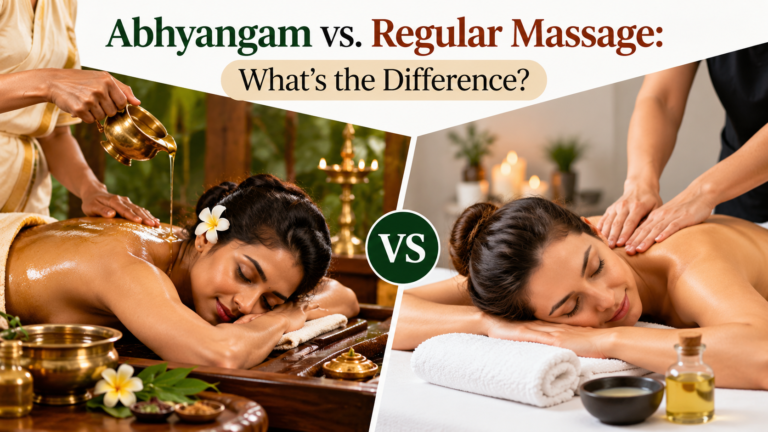
Abhyanga is a traditional Ayurvedic oil massage practice. A gentle scalp massage may help create a relaxing hair-care routine and reduce tension. Some people use traditional oils as part of this practice.
Commonly used oils include:
- Coconut oil.
- Sesame oil.
- Bhringraj-based hair oil.
- Amla-based hair oil.
Choose products that suit your scalp and avoid vigorous massage, particularly when the scalp is inflamed or painful.
What does the evidence say? Scalp massage may provide relaxation, but there is insufficient high-quality evidence to establish it as an effective treatment for significant hair loss or baldness.
2. Bhringraj for Traditional Hair Care
Bhringraj is a herb traditionally used in Ayurvedic hair-care preparations. It is commonly found in herbal oils and formulations intended for scalp and hair nourishment.
Its traditional applications include:
- Supporting scalp-care routines.
- Nourishing dry hair.
- Traditional hair-strengthening preparations.
- Promoting general hair-care wellness.
However, reliable clinical evidence demonstrating that Bhringraj reverses hair loss or produces substantial new hair growth in humans remains insufficient.
3. Amla for Hair and Scalp Wellness
Amla, also known as Indian gooseberry, is widely used in traditional Ayurvedic hair-care practices. It contains vitamin C and various plant compounds. Amla may be included in a balanced diet or used in certain cosmetic hair-care preparations.
Its traditional uses include supporting hair nourishment and maintaining scalp-care routines. However, there is not enough strong clinical evidence to claim that applying amla directly to the scalp prevents hair loss.
4. Brahmi in Traditional Ayurvedic Hair Care
Brahmi is another herb used in traditional Ayurvedic preparations. It is sometimes included in hair oils and scalp massage products.
Its traditional applications are associated with relaxation and general wellness. However, strong clinical evidence supporting Brahmi as a hair-regrowth treatment is lacking.
5. Neem for Scalp Hygiene
Neem is traditionally used in several Ayurvedic skin and hair-care preparations. Neem-based products are sometimes used in routines for oily or uncomfortable scalps.
However, neem should not be presented as a proven treatment for fungal infections, dandruff, or hair loss. Persistent scalp problems require an appropriate diagnosis and treatment.
Ayurvedic Diet for Healthy Hair
Nutrition plays an important role in maintaining normal hair growth. Hair follicles require adequate protein, vitamins, minerals, and energy to function properly.
Ayurveda emphasises balanced eating habits and choosing foods according to individual needs. A nutrient-rich diet can also help address some nutritional factors associated with hair shedding.
Foods to Include in Your Diet
| Food | Nutritional contribution |
| Amla | Vitamin C and plant antioxidants |
| Spinach | Folate, iron and other nutrients |
| Almonds | Vitamin E, protein and healthy fats |
| Walnuts | Healthy fats and minerals |
| Lentils | Plant-based protein and iron |
| Eggs | Protein and vitamin B12 |
| Pumpkin seeds | Zinc and other minerals |
| Guava | Vitamin C and fibre |
Foods and Habits to Limit
- Excessive consumption of sugary beverages.
- Highly processed foods with limited nutritional value.
- Crash dieting and extreme calorie restriction.
- Excessive alcohol consumption.
- Skipping meals frequently.
No single food can independently stop hair fall. The goal is to maintain a balanced diet that provides the nutrients required for healthy hair growth.
Lifestyle Changes That May Support Hair Health
Alongside nutrition, daily habits can influence overall health and the normal hair-growth cycle.
1. Maintain a Regular Sleep Schedule
Inadequate sleep can affect overall well-being and make stress management more difficult.
Try to:
- Maintain consistent sleeping hours.
- Aim for approximately 7–9 hours of sleep.
- Reduce screen exposure before bedtime.
- Create a comfortable sleeping environment.
2. Manage Daily Stress
Stress may contribute to temporary excessive hair shedding in some individuals.
Consider incorporating:
- Meditation.
- Deep breathing exercises.
- Gentle yoga.
- Walking outdoors.
- Relaxing hobbies.
3. Avoid Excessive Heat Styling
Frequent straightening, curling, bleaching, and chemical treatments can weaken hair strands and contribute to breakage. Use gentle hair-care products and avoid hairstyles that pull tightly on the scalp.
4. Maintain Scalp Hygiene
A healthy scalp-care routine can help manage oiliness, product buildup, and certain scalp concerns. Wash your hair according to your scalp type and use an appropriate shampoo. If you experience persistent dandruff, itching, redness, or scaling, consult a dermatologist.
When Should You Consult a Doctor for Hair Fall?
Not all hair loss can be managed through oils, dietary changes, or traditional therapies. A dermatologist can examine your scalp, assess the pattern of hair loss, and recommend investigations where necessary.
You should consider professional evaluation if you experience:
- Sudden or excessive hair shedding.
- Circular or patchy bald spots.
- Gradual thinning around the hairline or crown.
- Persistent scalp itching, redness, or scaling.
- Hair fall accompanied by fatigue or unexplained weight changes.
- Hair loss associated with irregular menstrual cycles or other hormonal symptoms.
Depending on your symptoms, a doctor may recommend blood tests such as a complete blood count, ferritin, thyroid function tests, or selected nutritional and hormonal investigations.
Treatment depends on the diagnosis. For example, topical minoxidil is an established treatment option for certain forms of pattern hair loss. It is not suitable for every cause of hair shedding, and medical guidance is important.
How to Choose the Right Ayurvedic Treatment in Delhi?
If you are exploring Ayurvedic approaches to hair care, selecting an appropriate healthcare facility is important. Before starting any treatment, consider the following:
- Qualified Ayurvedic practitioners: Check the qualifications and experience of the practitioner.
- Individual assessment: Your treatment recommendations should consider your health history, scalp condition, and hair-loss pattern.
- Transparent herbal formulations: Ask about the ingredients, source, and safety of prescribed preparations.
- Realistic expectations: Avoid centres promising guaranteed hair regrowth or permanent results.
- Medical coordination: A responsible practitioner should recognise when dermatological evaluation or conventional treatment is necessary.
When considering Ayurvedic Treatment in Delhi, prioritise professional guidance and evidence-informed care rather than relying on exaggerated treatment claims.
Frequently Asked Questions (FAQs)
1. Can Ayurveda help with hair fall?
Ayurveda offers traditional approaches such as herbal hair oils, scalp massage, dietary recommendations, and lifestyle practices. These may support general hair-care routines, but strong clinical evidence proving that Ayurvedic treatments reverse hair loss is currently limited.
2. Which Dosha is associated with hair fall?
According to traditional Ayurvedic interpretations, Vata, Pitta, and Kapha imbalances may be associated with different hair and scalp concerns. However, Dosha assessment is not a scientifically validated method of diagnosing hair-loss conditions.
3. Which Ayurvedic oil is traditionally used for hair fall?
Bhringraj oil, amla oil, coconut oil, and sesame oil are commonly used in traditional hair-care practices. Their suitability depends on the individual’s scalp and hair type. None should be considered a proven cure for hair loss.
4. Does Bhringraj help with hair growth?
Bhringraj is traditionally used in Ayurvedic hair-care preparations. However, there is insufficient high-quality human research to establish that it reliably stimulates hair regrowth.
5. Can stress cause hair fall?
Yes. Significant physical or emotional stress can trigger telogen effluvium, a condition involving increased hair shedding. Hair loss may become noticeable several months after the triggering event.
6. How long does it take to see improvement in hair fall?
It depends on the underlying cause. Temporary shedding may improve after the triggering factor is corrected, while hereditary hair loss generally requires ongoing management. Hair growth changes usually take several months to become noticeable.
7. Is scalp oil massage good for hair?
Gentle scalp massage can be relaxing and may help distribute hair oil. However, there is insufficient evidence that regular oil massage alone prevents hair loss or produces significant hair regrowth.
8. Can nutritional deficiencies cause hair fall?
Yes. Iron deficiency, inadequate protein intake, and certain other nutritional deficiencies can contribute to hair loss. Correcting an identified deficiency may help improve hair growth over time.
Conclusion
Hair fall can develop for several reasons, including hormonal changes, nutritional deficiencies, stress, genetics, and scalp conditions. Identifying the underlying cause is essential before choosing an appropriate treatment.
Ayurveda offers a traditional perspective on hair health through Vata, Pitta, and Kapha, along with herbal oils, dietary practices, and lifestyle recommendations.
These approaches can be explored as complementary hair-care practices, but they should not replace medical evaluation or established treatments when necessary.
If you are considering Ayurveda Treatment for hair fall, consult a qualified practitioner and seek a dermatological assessment for persistent or unexplained hair loss. A balanced approach that combines appropriate nutrition, gentle hair care, and evidence-based treatment can help support long-term hair health.