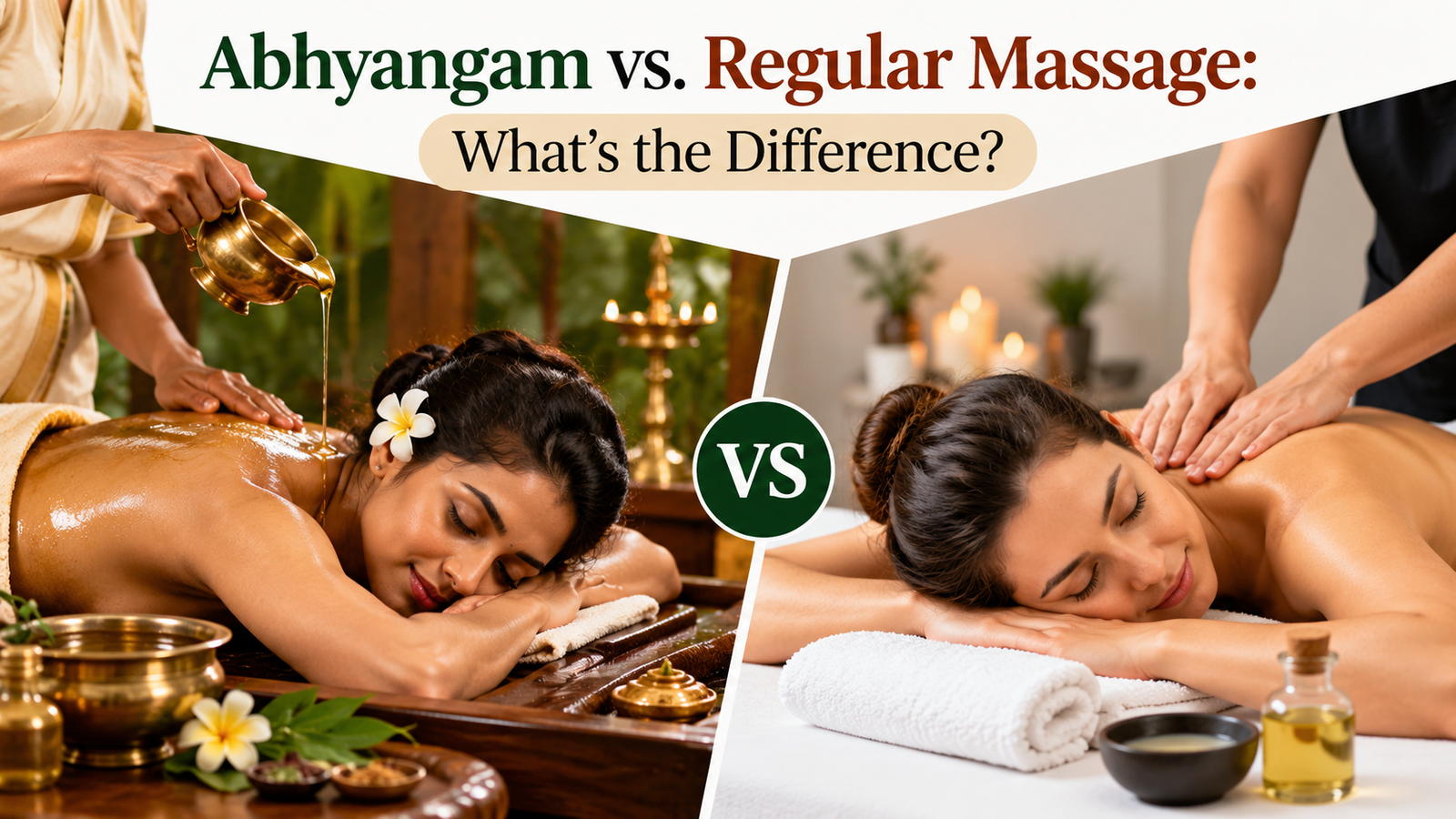
Massage therapy is often associated with relaxation, relief from muscle tension, and a much-needed break from a busy routine. However, not all massage techniques follow the same approach. Abhyangam, a traditional Ayurvedic oil massage, differs from regular massage in its methods, purpose, oils, and the principles that guide the treatment.
While regular massage generally focuses on relaxation, muscle tension, or physical recovery, Abhyangam is rooted in Ayurveda and traditionally forms part of a broader approach to maintaining well-being. Understanding these differences can help you decide which option may be more suitable for your needs.
If you are exploring Abhyangam Therapy in Delhi, learning about its traditional practices and how they compare with regular massage is a useful first step.
What Is Abhyangam?
Abhyangam, also known as Abhyanga, is a traditional Ayurvedic full-body oil massage. It involves applying warm oil to the body using systematic massage strokes selected according to the treatment approach and the individual’s needs.
In Ayurveda, Abhyangam is traditionally associated with daily self-care, relaxation, and supporting overall well-being. Professional treatments may use specific oils and techniques based on an Ayurvedic practitioner’s assessment.
Unlike massage sessions that focus primarily on a particular muscle group, a traditional Abhyangam session may involve the body more comprehensively, depending on the treatment plan.
Common features of Abhyangam include:
- Ayurvedic oils: Practitioners may select herbal oils according to traditional Ayurvedic principles and individual requirements.
- Systematic massage strokes: The treatment follows an organised approach rather than relying exclusively on general relaxation techniques.
- Warm oil application: Oil is commonly warmed to a comfortable temperature before application.
- Individualised treatment: The oil, technique, and session duration may vary according to the practitioner’s assessment.
- Holistic approach: Abhyangam is traditionally considered part of an approach to physical comfort, relaxation, and general well-being.
The exact procedure can differ between Ayurvedic centres, so it is important to understand what a particular treatment includes before booking a session.
What Is a Regular Massage?
Regular massage is a broad term covering several techniques used for relaxation, comfort, and managing muscle tension. The term does not refer to one specific method, as different massage styles have different purposes and approaches.
Depending on the type of massage, a therapist may use kneading, rubbing, gentle pressure, stretching, or other manual techniques to work on muscles and soft tissues.
Common types of regular massage include:
1. Swedish massage: Generally uses flowing strokes and gentle-to-moderate pressure to encourage relaxation.
2. Deep tissue massage: Uses slower strokes and more focused pressure on deeper layers of muscle and connective tissue. It may not be suitable for everyone.
3. Relaxation massage: Focuses on providing a calming experience and reducing everyday feelings of physical tension.
4. Sports massage: Uses techniques adapted to the needs of physically active individuals, often focusing on particular muscle groups.
5. Aromatherapy massage: Combines massage techniques with selected aromatic oils to create a relaxing experience.
The techniques, products, and treatment goals vary depending on the massage type. Some regular massages also use oils, so the use of oil alone is not what distinguishes Abhyangam from every other massage.
Abhyangam vs. Regular Massage: Key Differences
Although both treatments involve manual techniques and may use oils, their traditional foundations and treatment approaches can differ.
| Factor | Abhyangam | Regular Massage |
| Origin | Traditional Ayurvedic practice | Includes techniques from different massage traditions |
| Primary approach | Guided by Ayurvedic principles | Depends on the selected massage technique |
| Oils used | May include Ayurvedic herbal oils | May use massage oils, lotions, or other products |
| Treatment method | Often follows systematic, full-body oil application | May focus on the whole body or specific areas |
| Personalisation | May be adapted according to an Ayurvedic assessment | Depends on the therapist, technique, and client’s preferences |
| Typical focus | Traditional wellness, relaxation, and physical comfort | Relaxation, muscle tension, or activity-related needs |
| Session structure | May include traditional Ayurvedic procedures | Varies by massage type and provider |
| Practitioner | Ideally performed by a suitably trained Ayurvedic professional | Performed by a therapist with appropriate training for the technique |
Neither approach is automatically better for everyone. The more appropriate choice depends on your goals, preferences, health circumstances, and the qualifications of the practitioner.
1. Differences in Oils and Ingredients
One of the most recognisable features of Abhyangam is its use of oils selected according to Ayurvedic practice.
Depending on the treatment, an Ayurvedic practitioner may recommend a particular herbal oil based on traditional principles and individual requirements. The oil is generally applied to the skin during the massage, with the aim of making the treatment comfortable and allowing the practitioner to perform the selected strokes.
Regular massage may also involve oils, but the products can range from simple carrier oils to lotions and scented massage blends. The selection usually depends on the massage technique, the client’s skin preferences, and the therapist’s approach.
If you have sensitive skin, allergies, or a history of skin irritation, discuss the ingredients before treatment. Natural or herbal ingredients can also cause reactions, so a product’s traditional use does not guarantee that it will suit everyone.
2. Differences in Massage Techniques
Abhyangam generally follows a systematic oil-massage approach associated with Ayurvedic practice. Depending on the procedure, the practitioner may use coordinated strokes across different parts of the body.
Regular massage techniques are more varied. A relaxation massage may use long, gentle movements, whereas a deep tissue massage may concentrate on specific areas with more focused pressure.
The distinction is therefore not simply that one treatment is gentle and the other is strong. Abhyangam techniques and pressure can vary, and regular massage can also be adapted to the client’s comfort.
Before starting either treatment, communicate any discomfort, previous injuries, pressure preferences, or areas that should be avoided.
3. Differences in Purpose and Approach
Abhyangam is traditionally associated with Ayurvedic wellness practices and is often selected by people interested in incorporating Ayurveda into their self-care routine.
Regular massage can serve different purposes depending on the technique. Some sessions focus on relaxation, while others are designed around muscle tension or the needs of physically active individuals.
It is important to distinguish traditional wellness claims from established medical evidence. Neither Abhyangam nor regular massage should be assumed to cure a disease, remove toxins, or replace necessary medical treatment.
If you have persistent pain or another ongoing health concern, consult a qualified healthcare professional to identify the cause and determine appropriate care.
4. Which Treatment Is Better for Relaxation?
Both Abhyangam and regular massage may provide a relaxing experience. The result depends on the technique, the environment, the practitioner’s skill, and your personal preferences.
You may prefer Abhyangam if you are interested in a traditional Ayurvedic oil massage and want a treatment structured around Ayurvedic practices.
A regular relaxation massage may be more suitable if you prefer a particular pressure level, a familiar massage technique, or a session focused on general relaxation.
There is no universal winner. Consider the treatment style you find comfortable rather than choosing solely on the basis of promotional claims.
5. Which Treatment Should You Choose?
Before booking a session, think about what you want from the experience.
Consider Abhyangam if:
- You are interested in traditional Ayurvedic wellness practices.
- You prefer an oil-based massage with a systematic treatment approach.
- You want to discuss the selection of Ayurvedic oils with a trained practitioner.
- You are looking for a wellness treatment that fits your preferences and circumstances.
Consider a regular massage if:
- You want a particular massage technique, such as Swedish or relaxation massage.
- You prefer a session focused on specific areas of muscular tension.
- You want to choose between different pressure levels and treatment styles.
- You have a particular physical or relaxation goal that a suitably trained massage therapist can address.
If you are uncertain, discuss your expectations with the practitioner before making an appointment. A professional should explain the procedure, its limitations, possible side effects, and any precautions relevant to your circumstances.
Is Abhyangam Suitable for Everyone?
Abhyangam is not necessarily suitable for every individual or every health condition. The use of oils, massage pressure, and the physical nature of the treatment should be considered before starting.
Seek professional advice before receiving a massage if you have an acute injury, significant swelling, a skin infection, unexplained pain, or a condition that may affect your tolerance of massage. People with certain medical conditions may need additional precautions or an alternative approach.
Also inform the practitioner if you are pregnant, have recently undergone surgery, take medication that increases bleeding risk, or have allergies to particular oils or ingredients.
A qualified practitioner should assess your circumstances and explain whether the proposed treatment is appropriate. Stop the session if you experience significant pain, dizziness, breathing difficulty, or another concerning symptom.
Where to Explore Abhyangam Therapy in Delhi
If you are interested in traditional Ayurvedic massage, researching a professional centre is an important part of choosing the right treatment.
When looking for an Abhyanga Massage centre in Delhi, consider the practitioner’s qualifications, hygiene standards, treatment procedure, oil ingredients, and willingness to explain the service before your appointment.
Before booking, ask the centre:
- Who will perform the treatment, and what training do they have?
- Which oils are used, and can the ingredients be reviewed beforehand?
- How long does the session last, and what does the quoted price include?
- Is the treatment adapted to individual needs and relevant health precautions?
- What should you expect during and after the session?
If you are considering Abhyangam at an Ayurvedic wellness centre, discuss your goals with the practitioner and confirm that the service is suitable for you. A transparent consultation can help you make a more informed decision.
Frequently Asked Questions
1. Is Abhyangam the same as a regular oil massage?
No. Both may involve oil application and manual massage techniques, but Abhyangam follows a traditional Ayurvedic approach. Regular oil massage can refer to several techniques that vary according to the therapist and the intended purpose.
2. Does Abhyangam use herbal oils?
Many Abhyangam treatments use oils selected according to Ayurvedic practice, including herbal preparations. The ingredients vary by treatment, so ask the practitioner which oil will be used and check for ingredients that may cause an allergic reaction.
3. How often should I receive Abhyangam?
There is no single frequency suitable for everyone. The appropriate schedule depends on your goals, the type of treatment, your skin’s response, and any relevant health considerations. Ask a qualified practitioner for individual guidance.
4. Can Abhyangam help with muscle tension?
Massage may help some people experience short-term relief from muscle tension or discomfort. However, results vary, and Abhyangam should not be treated as a guaranteed solution for persistent pain or an underlying medical condition.
5. Is Abhyangam better than deep tissue massage?
Neither treatment is universally better. Abhyangam follows an Ayurvedic oil-massage approach, while deep tissue massage uses more focused pressure on selected areas. The suitable option depends on your needs, preferences, and health circumstances.
6. What should I do before an Abhyangam session?
Discuss your health history, allergies, skin sensitivities, and expectations with the practitioner. Ask about the oils, procedure, session duration, and any preparation instructions provided by the centre.
Conclusion
Abhyangam and regular massage both involve hands-on techniques, but they differ in their traditional foundations, treatment methods, and approaches to wellness. Abhyangam follows Ayurvedic principles and commonly involves systematic oil application, while regular massage covers a wider range of techniques designed for relaxation, muscular comfort, and other specific needs.
The right choice depends on your preferences, expectations, and individual circumstances. Before booking, review the practitioner’s qualifications, understand the treatment procedure, and discuss any health concerns that may affect your suitability.
If you are exploring Abhyangam Therapy in Delhi, take time to compare professional Ayurvedic centres and choose a treatment provider that prioritises transparency, hygiene, and appropriate care.