Skin conditions can affect much more than physical appearance. Persistent itching, redness, dryness, scaling and irritation can influence everyday comfort, confidence and quality of life. Among the commonly discussed chronic skin conditions are psoriasis and eczema, both of which can cause recurring symptoms and require long-term management.
Modern dermatology recognises psoriasis and eczema as two different inflammatory skin conditions. Although their symptoms can sometimes appear similar, their underlying mechanisms, triggers and treatment approaches are different.
Ayurveda, India’s traditional system of medicine, approaches skin health from a broader perspective. It considers factors such as individual constitution, digestion, lifestyle, diet and overall balance within the body. This traditional perspective is often explored by people interested in complementary approaches to managing skin health.
Understanding the Ayurvedic perspective on these conditions can help individuals make more informed decisions about their healthcare options. However, it is important to distinguish traditional Ayurvedic explanations from scientifically established medical causes.
In this blog, we explore how Ayurveda traditionally understands psoriasis and eczema, the differences between the two conditions, and the role of a responsible ayurvedic skin treatment approach.
Understanding Psoriasis and Eczema
Before exploring the Ayurvedic perspective, it is important to understand what psoriasis and eczema are from a medical standpoint. Although both conditions affect the skin and may involve inflammation, they are not the same disease.
What Is Psoriasis?
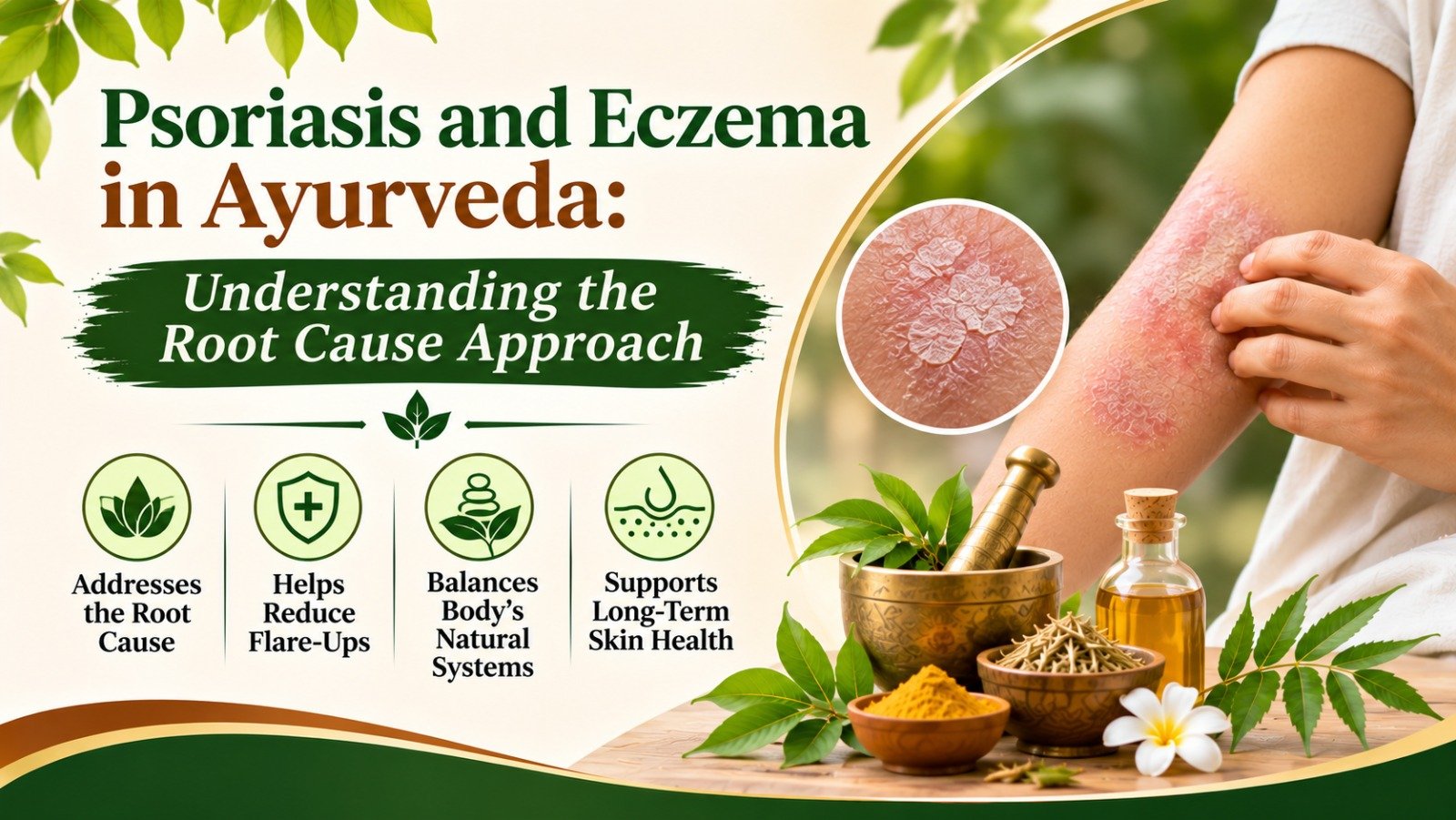
Psoriasis is a chronic immune-mediated inflammatory skin condition that causes skin cells to multiply more rapidly than usual. This accelerated skin-cell turnover can lead to the development of thick, raised patches covered with silvery or whitish scales.
Common symptoms include:
- Red or inflamed skin patches.
- Thick, dry and scaly skin.
- Itching and irritation.
- Cracked skin that may sometimes bleed.
- Discomfort around affected areas.
- Changes in the fingernails or toenails.
Psoriasis commonly affects the elbows, knees, scalp, lower back and other areas of the body. It can also be associated with psoriatic arthritis, which causes joint pain, swelling and stiffness. The severity varies from person to person, and symptoms may improve and worsen over time.
What Is Eczema?
Eczema, particularly atopic dermatitis, is a chronic inflammatory skin condition commonly associated with an impaired skin barrier.
When the skin barrier does not function properly, the skin can lose moisture more easily and become more sensitive to irritants and allergens.
Common symptoms include:
- Dry and sensitive skin.
- Persistent itching.
- Redness and inflammation.
- Rough or scaly patches.
- Small bumps or irritated areas.
- Cracked skin.
- Skin thickening due to repeated scratching.
Eczema can affect different parts of the body, including the hands, face, neck, elbows and knees.
Its symptoms may fluctuate depending on environmental conditions, skin irritants, allergens and individual triggers.
How Does Ayurveda Understand Psoriasis and Eczema?
Ayurveda traditionally approaches skin health through the concept of balance among the three doshas: Vata, Pitta and Kapha.
According to Ayurvedic principles, these doshas influence different physiological functions within the body.
When their balance is disturbed, Ayurveda suggests that various health concerns may develop.
Traditional Ayurvedic literature discusses several skin conditions under the broader category of Kushtha Roga.
Some classical descriptions of skin disorders are considered by Ayurvedic practitioners when discussing conditions that resemble psoriasis or eczema.
However, these traditional classifications are not exact medical equivalents of modern dermatological diagnoses.
1. Vata Dosha and Skin Dryness
Vata is traditionally associated with movement, dryness and roughness.
According to Ayurvedic principles, an imbalance involving Vata may be associated with symptoms such as:
- Excessive skin dryness.
- Rough skin texture.
- Cracking and flaking.
- Irregular discomfort.
- A feeling of tightness in the skin.
This traditional perspective may be discussed when evaluating dry and irritated skin conditions.
2. Pitta Dosha and Skin Inflammation
Pitta is traditionally associated with heat, metabolism and transformation.
An imbalance involving Pitta is traditionally linked with symptoms such as:
- Redness.
- Burning sensations.
- Skin irritation.
- Increased sensitivity.
- Inflammatory discomfort.
These descriptions are part of Ayurveda’s traditional framework and should not be interpreted as the medically established cause of psoriasis or eczema.
3. Kapha Dosha and Skin Changes
Kapha is traditionally associated with stability, structure and lubrication.
In Ayurvedic descriptions, Kapha imbalance may be associated with:
- Thickened skin.
- Heaviness.
- Excessive moisture.
- Swelling.
- Certain types of persistent skin changes.
An Ayurvedic practitioner may consider the individual’s overall symptoms and constitution when developing a traditional assessment.
The Role of Agni and Ama in Ayurvedic Skin Health
Two important concepts in Ayurveda are Agni and Ama.
Agni refers to digestive and metabolic processes in the traditional Ayurvedic framework, while Ama is traditionally described as accumulated undigested or improperly processed material.
According to Ayurveda, impaired Agni may contribute to the formation of Ama, which is traditionally associated with disturbances in overall health.
In discussions about skin health, Ayurvedic practitioners may consider:
- Digestive patterns.
- Appetite and eating habits.
- Bowel regularity.
- Food preferences.
- Lifestyle routines.
- Sleep quality.
These factors may form part of a traditional Ayurvedic assessment.
However, it is important to understand that Ama is not a scientifically established explanation for psoriasis or eczema. Both conditions have recognised biological mechanisms involving immune function, skin-barrier health, genetics and environmental influences.
Common Factors That May Trigger Psoriasis and Eczema
Understanding possible triggers is an important part of managing recurring skin symptoms.
Although the triggers differ between individuals, several factors are commonly associated with flare-ups.
Psoriasis Triggers
Common factors that may trigger or worsen psoriasis include:
- Physical or emotional stress.
- Skin injuries and irritation.
- Certain infections.
- Smoking.
- Heavy alcohol consumption.
- Some medications.
- Changes in weather.
- Discontinuation of prescribed treatment.
Psoriasis also has a genetic component, and immune-system activity plays an important role in its development.
Eczema Triggers
Common eczema triggers include:
- Harsh soaps and detergents.
- Dust and environmental allergens.
- Certain fabrics.
- Excessive sweating.
- Dry weather.
- Temperature changes.
- Fragrances and skincare ingredients.
- Stress and poor sleep.
Identifying individual triggers can help people manage their symptoms more effectively.
Ayurvedic Skin Treatment: Understanding the Traditional Approach
An Ayurvedic approach to skin health generally considers the individual’s constitution, symptoms, diet, lifestyle and overall health.
Rather than recommending the same routine to everyone, a qualified Ayurvedic practitioner may suggest an individualised plan based on a traditional assessment.
However, people with psoriasis or eczema should understand that the effectiveness and safety of Ayurvedic treatments vary, and strong scientific evidence supporting Ayurveda as a cure for either condition is currently lacking.
Some traditional approaches include the following.
1. Individualised Diet and Nutrition
Ayurveda places considerable emphasis on food habits and digestive health.
Depending on the individual’s assessment, an Ayurvedic practitioner may suggest dietary modifications.
General nutrition practices that can support overall health include:
- Eating a balanced diet with adequate protein.
- Including vegetables and fruits.
- Maintaining sufficient hydration.
- Avoiding foods that have been identified as personal triggers.
- Maintaining regular meal timings.
There is no universally established Ayurvedic diet that cures psoriasis or eczema.
People should also avoid unnecessarily restrictive diets, particularly when they have nutritional deficiencies or other medical conditions.
2. Lifestyle and Daily Routine
Lifestyle management is an important part of both traditional and modern approaches to overall skin health.
Maintaining healthy routines may help people manage some factors associated with skin flare-ups.
Helpful habits include:
- Maintaining a consistent sleep schedule.
- Managing daily stress.
- Staying physically active.
- Avoiding excessive scratching.
- Keeping the skin moisturised.
- Identifying and reducing exposure to personal irritants.
For eczema, regular use of an appropriate fragrance-free moisturiser is particularly important because it helps support the skin barrier.
3. Traditional Herbal Formulations
Ayurveda includes several traditional herbal preparations that practitioners may consider for different health concerns.
However, herbal products should never be assumed to be automatically safe because they are natural.
Some preparations may cause allergic reactions, interact with medications or contain ingredients that are unsuitable for certain individuals.
Certain unregulated products may also contain heavy metals or undeclared pharmaceutical ingredients.
Anyone considering herbal formulations for psoriasis or eczema should consult qualified healthcare professionals and avoid stopping prescribed dermatological treatment.
4. Panchakarma and Other Traditional Procedures
Panchakarma is a group of traditional Ayurvedic procedures that may be recommended by practitioners for selected individuals.
Some Ayurvedic practitioners discuss Panchakarma in relation to traditional skin-health approaches.
However, there is insufficient high-quality evidence to establish Panchakarma as an effective treatment for psoriasis or eczema.
Certain procedures can also cause irritation, dehydration or other complications, especially when performed without appropriate assessment.
They should not be undertaken as a substitute for established medical treatment.
Why Professional Assessment Matters Before Starting Treatment
Psoriasis and eczema can sometimes look similar, but their medical management is different.
For example, psoriasis may require treatments that regulate immune activity, while eczema management often focuses on reducing inflammation and repairing the skin barrier.
Using an unsuitable cream, herbal preparation or topical product may worsen irritation or delay appropriate treatment.
Before starting any treatment, individuals should consider the following:
Get an Accurate Diagnosis: Consult a qualified dermatologist to establish whether the condition is psoriasis, eczema or another skin disorder.
Discuss Your Medical History: Inform healthcare professionals about allergies, existing conditions, medications and previous treatments.
Avoid Self-Medication: Do not use strong steroid creams, herbal preparations or medicated oils without appropriate guidance.
Monitor Symptoms: Keep track of changes in redness, itching, dryness and skin irritation.
Follow a Consistent Care Routine: Maintain the treatment plan recommended by your healthcare professional.
If the skin becomes increasingly painful, develops pus, shows signs of infection or is accompanied by fever, seek medical attention promptly.
Ayurveda and Modern Dermatology: Can They Work Together?
Many people explore traditional healthcare approaches alongside modern medical treatment.
A responsible approach should prioritise accurate diagnosis and evidence-based dermatological care while considering complementary practices where appropriate.
Modern dermatology offers several established treatment options for psoriasis and eczema.
Depending on the diagnosis and severity, these may include:
- Moisturisers and barrier-repair products.
- Topical corticosteroids.
- Other prescribed topical medicines.
- Phototherapy.
- Systemic medications.
- Biologic treatments for selected patients.
Ayurvedic consultations may provide additional discussion around diet, lifestyle and traditional wellness practices.
However, complementary treatments should be reviewed by the treating dermatologist, particularly when they involve oral herbal products, topical preparations or physical procedures.
The objective should be safe, coordinated care rather than replacing one treatment system with another without medical guidance.
Daily Skin-Care Practices for People With Psoriasis and Eczema
A consistent skincare routine can help reduce irritation and support skin comfort.
Here are some general practices that may be helpful.
1. Use Gentle Cleansers
Choose mild, fragrance-free cleansers instead of harsh soaps and heavily scented products.
Avoid excessive washing, particularly when the skin is already dry or irritated.
2. Moisturise Regularly
Apply a suitable moisturiser after bathing to help reduce moisture loss.
People with eczema may benefit from thick creams or ointments that support the skin barrier.
3. Avoid Very Hot Water
Hot showers can increase skin dryness and irritation.
Use lukewarm water and avoid prolonged bathing.
4. Wear Comfortable Clothing
Soft, breathable fabrics may help minimise friction and irritation.
People who experience sweating-related flare-ups should consider changing out of damp clothing promptly.
5. Manage Stress
Stress can contribute to flare-ups in some individuals.
Relaxation activities, regular exercise, adequate sleep and mindfulness practices may support general well-being.
6. Identify Personal Triggers
Keep a simple record of changes in skin symptoms, skincare products, environmental exposure and lifestyle habits.
This may help identify patterns that can be discussed with a dermatologist.
When Should You Consult an Ayurvedic Doctor for Skin Concerns?
People interested in traditional Ayurvedic healthcare may wish to consult a qualified practitioner to understand the available approaches.
However, psoriasis and eczema require proper medical diagnosis and should be assessed by a dermatologist.
If you are considering complementary Ayurveda, choose a qualified practitioner who:
- Reviews your medical history.
- Asks about current medications.
- Does not promise guaranteed cures.
- Explains the limitations of traditional treatments.
- Avoids recommending that you discontinue prescribed medication.
- Coordinates care with your dermatologist when necessary.
Transparency and patient safety should always remain the priority.
Exploring Ayurvedic Treatment in Delhi
Delhi has a wide range of healthcare facilities offering different traditional and modern healthcare services.
For people interested in Ayurveda, finding the right healthcare centre involves evaluating practitioner qualifications, treatment transparency, hygiene standards and the suitability of the proposed approach.
When exploring Ayurvedic Treatment in Delhi, consider the following factors:
Qualified Practitioners: Check the practitioner’s recognised qualifications and professional registration.
Individualised Consultation: A consultation should consider your medical history, symptoms and existing treatment.
Transparent Treatment Information: Understand the purpose, ingredients, expected benefits and potential risks of any recommended preparation.
Safety and Hygiene: Ensure that the healthcare facility follows appropriate hygiene and safety practices.
Coordination With Modern Healthcare: A responsible practitioner should respect the role of dermatologists and evidence-based treatment.
Tarunveda can be explored by individuals interested in understanding traditional Ayurvedic wellness services and consultation options. Before choosing any treatment for psoriasis or eczema, discuss your diagnosis and proposed care plan with qualified healthcare professionals.
Final Thoughts
Psoriasis and eczema are chronic inflammatory skin conditions that can affect daily comfort, confidence and overall quality of life. Although their symptoms may sometimes appear similar, they have different underlying mechanisms and require appropriate medical assessment.
Ayurveda offers a traditional perspective on skin health through concepts such as Vata, Pitta, Kapha, Agni and Ama. It also places importance on individual constitution, diet and lifestyle.
However, these traditional concepts should not be confused with scientifically established causes of psoriasis and eczema. There is currently insufficient high-quality evidence to establish Ayurvedic treatment as a cure for either condition.
People interested in an Ayurvedic approach should prioritise professional diagnosis, discuss complementary treatments with their dermatologist and avoid unverified products or procedures.
A thoughtful combination of evidence-based dermatological care, appropriate skincare and safe lifestyle practices can help individuals make informed decisions about managing their skin health.
Frequently Asked Questions (FAQs)
1. Can Ayurveda help with psoriasis and eczema?
Ayurveda offers traditional approaches involving diet, lifestyle and herbal preparations. However, high-quality scientific evidence supporting Ayurveda as an effective cure for psoriasis or eczema is insufficient. Consult a dermatologist for diagnosis and evidence-based treatment.
2. What is the Ayurvedic understanding of psoriasis?
Ayurveda discusses various skin conditions under the broader category of Kushtha Roga. Practitioners may consider imbalances involving Vata, Pitta and Kapha when evaluating symptoms. These traditional classifications are not exact equivalents of modern medical diagnoses.
3. What is the difference between psoriasis and eczema?
Psoriasis is an immune-mediated inflammatory condition commonly associated with accelerated skin-cell turnover. Eczema, particularly atopic dermatitis, is associated with skin-barrier dysfunction and inflammation. Both can cause itching and redness but have different characteristics and management approaches.
4. Can diet influence psoriasis and eczema?
Diet may influence overall health and individual symptom triggers. However, there is no single diet proven to cure either condition. A balanced diet is generally recommended, and unnecessary food restrictions should be avoided.
5. Does stress make psoriasis and eczema worse?
Stress can contribute to flare-ups in some people with psoriasis and eczema. Stress-management practices, adequate sleep and healthy daily routines may support overall well-being.
6. Is Panchakarma recommended for psoriasis and eczema?
Some Ayurvedic practitioners discuss Panchakarma in relation to traditional skin-health approaches. However, there is insufficient high-quality evidence establishing it as an effective treatment for either condition. Procedures should only be considered after appropriate professional assessment.
7. Should I stop my prescribed skin medication when starting Ayurveda?
No. Do not discontinue prescribed medication without consulting your dermatologist. Any complementary treatment should be discussed with your treating healthcare professional to avoid interactions and complications.
8. How can I find an Ayurvedic practitioner in Delhi for skin concerns?
Check the practitioner’s qualifications, professional registration, consultation process and transparency about treatment risks. For psoriasis and eczema, ensure that you also receive an accurate dermatological diagnosis.
9. Is psoriasis contagious?
No. Psoriasis is not contagious and cannot spread through touching, sharing personal items or physical contact.
10. Is eczema a lifelong condition?
Eczema can be chronic and may involve recurring flare-ups. Its course varies between individuals. Many people manage symptoms effectively with appropriate skincare and medical treatment.