Stress, disturbed sleep, and persistent mental fatigue can affect how people feel, think, and function throughout the day. Demanding work schedules, personal responsibilities, and irregular routines often leave little time for meaningful rest. As awareness of holistic wellness grows, many people are exploring traditional Ayurvedic therapies as complementary approaches to relaxation and self-care.
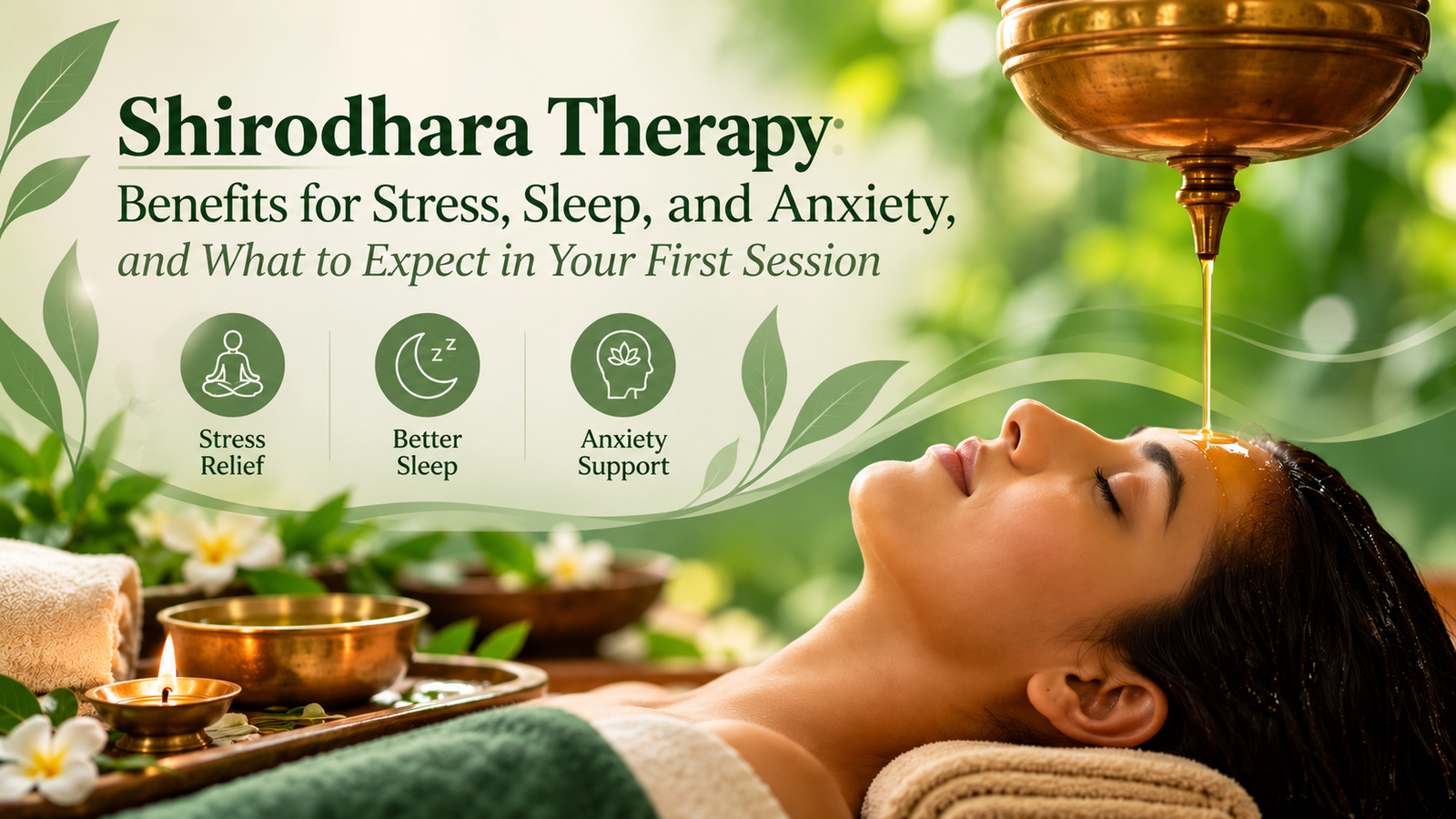
One such therapy is Shirodhara, a traditional Ayurvedic treatment in which a continuous stream of liquid is gently poured over the forehead while the individual rests in a comfortable position. The procedure is traditionally associated with tranquillity and is often incorporated into Ayurvedic wellness programmes.
For those exploring Shirodhara Therapy in Delhi, understanding the procedure, its potential benefits, and its limitations is an important first step. Although the treatment is traditionally associated with tranquillity, its effects on stress, sleep, and anxiety require careful consideration of the available scientific evidence.
This article explains how Shirodhara works, what to expect during your first session, and how to determine whether this traditional Ayurvedic therapy may be appropriate for your wellness needs.
What Is Shirodhara Therapy?
Shirodhara is a traditional Ayurvedic procedure in which a steady stream of liquid is directed over the forehead for a specified duration. The individual lies comfortably on a treatment table while a trained practitioner controls the flow, positioning, and temperature of the liquid. The term Shirodhara is derived from two Sanskrit words: Shiro, meaning head, and Dhara, meaning flow.
Depending on the traditional treatment method, the liquid may include specially selected Ayurvedic oils, milk-based preparations, buttermilk, or water. The preparation and application technique vary according to the practitioner’s assessment and the treatment protocol.
Unlike conventional head massage, which involves direct physical manipulation, Shirodhara centres on the gentle, repetitive sensation of the flowing liquid. The treatment is generally performed in a quiet setting to provide a comfortable environment for rest.
In Ayurvedic practice, Shirodhara is traditionally associated with relaxation and mental tranquillity. Scientific research has begun to examine its potential effects on stress and sleep, but the evidence remains limited. It is therefore important to distinguish traditional therapeutic uses from benefits that have been established through robust clinical studies.
Potential Benefits of Shirodhara Therapy
Shirodhara is commonly explored by individuals interested in relaxation and traditional Ayurvedic wellness practices. Although personal experiences vary, several potential benefits have attracted attention.
1. Supports Relaxation and Everyday Stress Management
Prolonged stress can affect concentration, mood, sleep, and general well-being. When daily responsibilities leave little opportunity for rest, finding a suitable way to unwind becomes an important part of self-care.
Shirodhara provides a structured period of relaxation in a controlled environment. The steady flow of liquid and the absence of routine distractions may help some individuals feel calmer during or after treatment.
A small study involving healthy volunteers reported improvements in self-reported stress and mood following Shirodhara. However, the findings are preliminary, and further research is required to determine the extent and duration of any benefits.
Shirodhara may be considered a complementary relaxation practice alongside regular physical activity, healthy sleep habits, and other appropriate stress-management strategies.
2. May Complement Healthy Sleep Habits
Sleep quality is influenced by several factors, including daily routines, emotional well-being, physical health, and the sleep environment. Persistent worrying and irregular sleeping patterns can make it difficult to fall asleep or maintain a consistent schedule.
Shirodhara is traditionally associated with relaxation, which may make it an option for people seeking a calming addition to their wellness routine.
Some preliminary research has investigated Shirodhara as part of programmes combining the therapy with yoga. However, the available findings are insufficient to establish Shirodhara as an effective stand-alone treatment for insomnia.
People experiencing persistent sleep difficulties should consider evidence-based sleep strategies and seek medical advice when appropriate. Shirodhara should not replace the assessment or treatment of an underlying sleep disorder.
3. May Support a Broader Approach to Anxiety Management
Anxiety can involve excessive worrying, restlessness, difficulty concentrating, and physical tension. When these symptoms persist, they can interfere with personal relationships, work, and everyday activities.
The quiet environment and structured nature of a Shirodhara session may provide an opportunity for relaxation. Some individuals may find this experience helpful as part of a wider self-care routine.
However, current scientific evidence does not establish Shirodhara as an independent treatment for anxiety disorders. Preliminary findings from combined interventions also cannot establish that Shirodhara alone produces the same effects.
Individuals experiencing ongoing anxiety, panic attacks, or significant emotional distress should consult a qualified healthcare professional. Complementary therapies may be considered when appropriate, but they should not replace recommended psychological or medical treatment.
4. Provides Dedicated Time for Mental Rest
Modern routines frequently involve continuous exposure to digital devices, work-related demands, and competing responsibilities. Even during leisure time, many people find it difficult to disengage from these pressures.
Shirodhara offers a dedicated period in which the individual can rest without actively participating in a task. The repetitive sensory experience and calm surroundings may help some people settle into a more relaxed state.
Although this does not guarantee a specific psychological or physiological response, making time for uninterrupted rest can be a useful part of a balanced wellness routine.
5. Complements a Holistic Approach to Well-Being
Ayurvedic wellness practices are often considered alongside daily routines, physical activity, dietary habits, and other lifestyle factors.
For suitable individuals, Shirodhara may form part of a broader approach to relaxation and personal well-being. However, no single therapy should be expected to address every factor affecting stress, sleep, or emotional health.
A balanced approach involves selecting practices that suit individual needs while seeking appropriate professional care for persistent or concerning symptoms.
How Does Shirodhara Therapy Work?
During Shirodhara, a specialised vessel is positioned above the forehead to deliver a continuous stream of liquid. The practitioner regulates the flow, temperature, and positioning throughout the procedure.
The individual remains comfortably positioned while the liquid is applied according to the selected treatment method. The surrounding environment is generally kept quiet to minimise interruptions.
From a traditional Ayurvedic perspective, Shirodhara is intended to encourage tranquillity and support balance within the body and mind. Modern research has explored possible physiological responses associated with the treatment, but the mechanisms underlying its reported effects are not yet fully understood.
The quality and safety of the procedure depend on appropriate preparation, hygiene, temperature control, and the practitioner’s ability to assess individual suitability.
What to Expect During Your First Shirodhara Session
Understanding the treatment process before your first appointment can help you feel more comfortable and prepared. Although specific procedures vary between practitioners, a session generally involves the following stages.
Step 1: Initial Consultation and Assessment
The appointment should begin with a discussion about your general health, wellness goals, and expectations.
Your practitioner may ask about stress, sleep habits, allergies, skin sensitivities, medications, and relevant medical conditions. You should also disclose pregnancy or possible pregnancy, low blood pressure, and any history of dizziness or fainting.
This assessment helps determine whether Shirodhara is appropriate and whether any precautions or modifications are necessary.
Step 2: Preparation for Treatment
You will usually be asked to lie on a specialised treatment table in a comfortable position.
The practitioner may protect your clothing and take suitable precautions around your eyes, ears, and hairline. The treatment area should be clean, and the equipment should be prepared according to appropriate hygiene practices.
Before proceeding, confirm which liquid will be used, how long the procedure is expected to last, and whether you need to follow any preparation instructions.
Step 3: Application of the Liquid
Once you are positioned comfortably, the practitioner begins directing a steady stream of the selected liquid over your forehead.
The flow is carefully controlled, and adjustments may be made to maintain comfort throughout the procedure.
You may notice the temperature and repetitive movement of the liquid. Some individuals find this sensation relaxing, while others may need time to become accustomed to it.
The procedure should not cause burning or significant discomfort. Inform the practitioner immediately if you experience irritation, excessive heat, or any other concerning sensation.
Step 4: The Main Treatment Period
During the application, you can remain still and allow yourself to rest.
Your experience may vary. You might feel sleepy, remain fully alert, or find that your thoughts continue moving between different subjects. There is no requirement to fall asleep or achieve a particular mental state.
The duration depends on the treatment protocol and individual assessment. Your practitioner should explain the planned timing before beginning the procedure.
Step 5: Post-Treatment Care
After the application is complete, the practitioner will help you finish the procedure comfortably.
Depending on the preparation used, excess oil or liquid may be removed, and your hair may require gentle cleaning. You should receive clear instructions about any recommended aftercare.
Take your time getting up, particularly if you are prone to light-headedness. If you feel dizzy, unusually sleepy, or unwell, avoid driving until you have recovered.
Which Oils and Liquids Are Used in Shirodhara?
The liquid used in Shirodhara depends on the traditional method being followed and the individual’s circumstances.
Common variations include:
- Taila Dhara: Uses oil, often a selected Ayurvedic oil preparation.
- Ksheera Dhara: Uses milk or a milk-based preparation.
- Takra Dhara: Uses buttermilk or a traditional buttermilk-based preparation.
- Jala Dhara: Uses water.
Each method has its own preparation and application requirements. The choice should be made according to the treatment protocol and the individual’s suitability rather than assuming that one preparation is appropriate for everyone.
People with sensitive skin, scalp conditions, or known allergies should inform the practitioner before treatment. Natural ingredients can still cause skin irritation or allergic reactions.
Who Should Take Precautions Before Shirodhara?
Shirodhara is not suitable for everyone, and an individual assessment is important before treatment.
Consult a healthcare professional and discuss your circumstances with the practitioner if you:
- Are pregnant or may be pregnant.
- Have low blood pressure or a history of fainting.
- Have an active scalp infection, open wound, or significant skin irritation.
- Have allergies to oils, herbs, or other ingredients used during the procedure.
- Experience persistent headaches or unexplained dizziness.
- Have a medical condition that could affect your ability to tolerate the treatment.
The relevant precautions depend on the procedure and your health status. A responsible practitioner should explain any concerns and recommend postponing or modifying treatment when necessary.
Shirodhara should not be used as a substitute for medical assessment when symptoms are persistent, severe, or worsening.
How Many Shirodhara Sessions Are Needed?
The number of sessions depends on the treatment approach, individual circumstances, and the practitioner’s assessment. Some individuals choose a single session to experience the procedure, while traditional Ayurvedic programmes may involve multiple appointments. However, there is no universally established number of Shirodhara sessions proven to treat stress, anxiety, or insomnia.
Before committing to a treatment programme, ask why a particular schedule is being recommended, what outcomes are realistic, and how your response will be assessed.
Treatment recommendations should be transparent and based on individual needs, without guarantees of a cure or identical results for every person.
Frequently Asked Questions About Shirodhara Therapy
Is Shirodhara therapy effective for stress?
Shirodhara is traditionally associated with relaxation. Preliminary research has reported changes in self-reported stress and mood, but larger, well-designed studies are needed to establish its effectiveness.
Can Shirodhara improve sleep quality?
Some preliminary research has explored its potential role in sleep quality. However, Shirodhara has not been established as a stand-alone treatment for insomnia.
Can Shirodhara treat anxiety disorders?
There is insufficient evidence to conclude that Shirodhara treats or cures anxiety disorders. It may be considered a complementary relaxation practice for suitable individuals, but it should not replace recommended medical or psychological care.
Is Shirodhara painful?
The treatment is intended to provide a gentle and comfortable experience. Burning, significant irritation, or discomfort should be reported to the practitioner immediately.
Will I fall asleep during a Shirodhara session?
You may feel sleepy, but falling asleep is not necessary. Some individuals remain awake throughout the procedure.
Can I return to work after treatment?
Many people can resume their usual activities if they feel well. However, allow yourself time to recover if you experience dizziness, unusual sleepiness, or discomfort.
Is Shirodhara suitable for sensitive skin?
Suitability depends on the individual’s skin condition and the preparation used. Discuss any allergies or previous reactions with the practitioner before beginning treatment.
Conclusion
Shirodhara is a traditional Ayurvedic therapy that provides a structured opportunity for relaxation in a calm treatment environment. Its gentle application and emphasis on rest may appeal to individuals seeking complementary approaches to everyday wellness.
Although preliminary studies have explored possible effects on stress, mood, and sleep, the scientific evidence remains limited. Shirodhara should therefore be regarded as a complementary wellness practice rather than a proven treatment for anxiety disorders or insomnia.
Before your first session, consult a qualified practitioner, discuss any relevant health concerns, and understand the procedure and its limitations.
At Tarunveda, learning about traditional Ayurvedic therapies can help you make informed decisions about your wellness journey. Combining appropriate complementary practices with healthy lifestyle habits and professional medical care when needed supports a balanced, responsible approach to overall well-being.