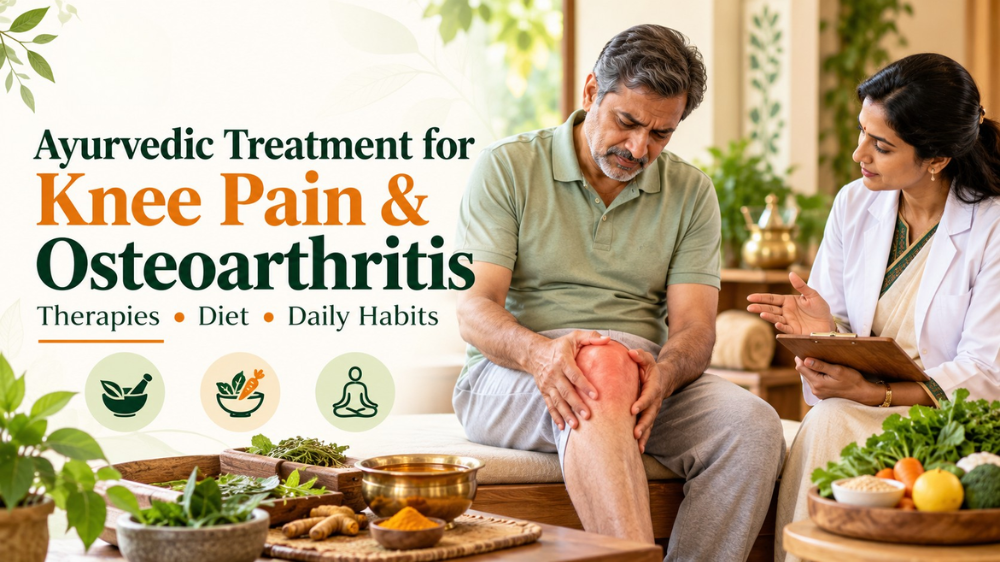
Knee pain can make everyday activities such as walking, climbing stairs, sitting down, and getting up increasingly uncomfortable. For many people, particularly older adults, persistent knee pain may be associated with osteoarthritis, a condition that affects the protective tissues within joints and can cause pain, stiffness, and reduced mobility.
People exploring traditional healthcare approaches often look for Ayurvedic treatment for knee pain and osteoarthritis to support comfort, mobility, and overall well-being. Ayurveda takes a holistic approach that considers diet, daily routines, physical activity, and individual health needs. Depending on a person’s condition, an Ayurvedic practitioner may discuss external therapies and other supportive measures as part of an individualised care plan.
However, osteoarthritis requires appropriate medical assessment and long-term management. Ayurvedic therapies should not be considered a guaranteed cure or a replacement for evidence-based medical treatment.
Understanding Knee Pain and Osteoarthritis
Osteoarthritis is a joint condition in which changes to cartilage and other joint structures can lead to pain, stiffness, and difficulty moving. It commonly affects the knees, hips, hands, and other joints.
Common symptoms of knee osteoarthritis include:
- Pain during walking, standing, or climbing stairs
- Stiffness after waking up or sitting for a long time
- Swelling or tenderness around the knee
- Reduced flexibility and difficulty bending the knee
- A grinding or clicking sensation during movement
- Difficulty performing everyday activities comfortably
Knee pain does not always indicate osteoarthritis. Injuries, inflammatory conditions, and other health problems can cause similar symptoms. A healthcare professional can help identify the cause and recommend appropriate treatment.
How Does Ayurveda Approach Knee Pain?
In Ayurveda, joint discomfort may be assessed through traditional concepts related to movement, balance, digestion, and individual constitution. An Ayurvedic practitioner may consider a person’s symptoms, lifestyle, dietary habits, medical history, and overall health before suggesting supportive therapies.
The treatment approach may include external therapies, gentle movement, dietary guidance, and daily routine adjustments. The exact plan depends on the individual’s needs and should be developed by a qualified practitioner.
It is important to understand that scientific evidence for Ayurvedic treatments specifically targeting knee osteoarthritis remains limited. Some studies have reported improvements in symptoms with particular Ayurvedic preparations, but more high-quality research is needed to establish their effectiveness and safety.
Ayurvedic Therapies That May Be Considered for Knee Pain
Certain traditional therapies may be discussed as complementary options for people experiencing knee discomfort. Their suitability depends on the diagnosis, severity of symptoms, other medical conditions, and professional assessment.
1. Abhyanga: Therapeutic Oil Massage
Abhyanga is a traditional Ayurvedic massage technique that involves applying oil to the body. Depending on the practitioner’s assessment, a localised massage may be considered for the area around the knee.
Some people find gentle massage relaxing and helpful for temporary comfort. However, evidence supporting massage as a treatment for osteoarthritis is limited, and it should not be expected to repair damaged cartilage.
Massage should be avoided over an acutely swollen, hot, injured, or very painful joint unless a healthcare professional confirms that it is appropriate.
2. Janu Basti: A Traditional Knee-Focused Therapy
Janu Basti is an Ayurvedic procedure in which a ring-shaped barrier is placed around the knee and filled with warm oil for a specified period.
The procedure is traditionally used as a local therapy for knee discomfort and stiffness. Its use should be determined by a qualified practitioner after assessing the underlying condition.
There is limited high-quality scientific evidence establishing Janu Basti as an effective treatment for knee osteoarthritis. Care is also needed to avoid burns, skin irritation, or worsening discomfort from excessive heat.
3. Panchakarma and Individualised Ayurvedic Care
Panchakarma refers to a group of traditional Ayurvedic procedures that may be recommended in selected circumstances. The specific procedures and their suitability vary according to the practitioner’s assessment and the patient’s health.
Panchakarma should not automatically be assumed necessary for every person with knee pain. Some procedures may carry risks, particularly for older adults and people with other medical conditions. Strong purgation, fasting, or other intensive procedures should not be undertaken without qualified supervision.
Anyone considering Panchakarma should discuss their diagnosis, current medicines, medical history, and expected benefits and risks with an appropriate healthcare professional.
4. Ayurvedic Herbal Preparations
Certain Ayurvedic formulations are traditionally used for joint discomfort. However, their effectiveness, dosage, safety, and potential interactions vary by product.
Do not start herbal medicines or supplements solely on the basis of online recommendations. Some preparations may contain potentially harmful metals, including lead, mercury, or arsenic, and certain ingredients can interact with prescription medicines.
A qualified practitioner should review any proposed preparation alongside the person’s existing treatment. Prescribed medicines should not be stopped or replaced without medical advice.
Diet for Knee Pain and Osteoarthritis
Diet cannot reverse established osteoarthritis, but balanced nutrition can support general health, maintain muscle function, and help people manage their weight. For individuals living with excess weight, gradual weight reduction may also reduce the load placed on the knees.
An appropriate eating pattern should be practical, nutritionally balanced, and suited to individual medical needs.
1. Include Protein-Rich Foods
Protein helps maintain muscle mass, which is important for supporting movement and physical function.
Suitable options may include:
- Lentils, beans, and chickpeas
- Milk, yoghurt, or paneer, if tolerated
- Eggs, fish, or lean meat, depending on dietary preferences
- Soybeans, tofu, and other soy-based foods
A balanced intake of protein is especially important for older adults and people working to maintain strength while managing joint pain.
2. Eat a Variety of Vegetables and Fruits
Vegetables and fruits provide vitamins, minerals, fibre, and other nutrients that support overall health.
Include a variety of seasonal produce, such as leafy greens, carrots, tomatoes, citrus fruits, guava, and berries when available. No single fruit or vegetable has been proven to cure knee osteoarthritis, so variety and consistency matter more than relying on a particular food.
3. Choose Healthy Sources of Fat
Nuts, seeds, and suitable vegetable oils can form part of a balanced diet. Foods such as walnuts, flaxseeds, and chia seeds provide plant-based omega-3 fatty acids.
These foods support general nutrition, but they should not be presented as a standalone treatment for osteoarthritis. People with allergies or specific dietary restrictions should choose suitable alternatives.
4. Maintain Adequate Hydration
Drink water regularly throughout the day, adjusting intake according to your activity level, climate, and medical advice. Adequate hydration supports normal body functions, although drinking extra water does not directly repair joint cartilage.
5. Limit Excessive Highly Processed Foods
Frequent consumption of foods high in added sugar, excess salt, or unhealthy fats can make it harder to maintain a balanced diet.
Rather than following an extreme restrictive diet, focus on regular meals with suitable portions of vegetables, protein, whole grains, and healthy fats. Anyone with diabetes, kidney disease, or another condition requiring dietary restrictions should follow personalised professional advice.
Daily Habits That May Help Manage Knee Pain
Alongside any appropriate treatment plan, everyday habits can influence mobility, muscle strength, and the ability to carry out daily activities.
1. Stay Physically Active
Regular, appropriately tailored exercise is one of the main recommended approaches for managing osteoarthritis. It can help strengthen the muscles around the joint, improve function, and support overall fitness.
Depending on your ability and symptoms, suitable activities may include:
- Walking on level ground
- Stationary cycling
- Water-based exercise
- Gentle range-of-motion movements
- Physiotherapist-recommended strengthening exercises
Start gradually and increase activity at a manageable pace. Some discomfort may occur when beginning an exercise programme, but severe or persistent worsening pain should be assessed. A physiotherapist or healthcare professional can help identify suitable exercises.
2. Manage Weight if Needed
Excess body weight can increase the mechanical load on the knee joints. For people who are overweight or living with obesity, gradual weight management may improve pain and physical function.
A realistic approach combines balanced eating, suitable physical activity, and achievable goals rather than crash diets or excessive exercise.
3. Avoid Prolonged Positions That Increase Discomfort
Sitting or standing in one position for extended periods may increase stiffness for some people. Take comfortable movement breaks, change positions regularly, and adjust your daily routine according to your symptoms.
If deep squatting, kneeling, or repeated stair climbing aggravates your knee, discuss alternatives with a healthcare professional rather than forcing the movement.
4. Choose Supportive Footwear
Comfortable, well-fitting footwear may make walking easier. If you have persistent balance problems, significant knee instability, or difficulty walking, ask a healthcare professional whether a walking aid or other support would be appropriate.
5. Prioritise Sleep and Recovery
Good sleep supports general health and helps people cope with persistent pain. Try to maintain a regular sleep schedule and create a comfortable sleeping environment.
Balance activity with recovery, but avoid becoming completely inactive unless a healthcare professional advises temporary rest for a specific problem.
When Should You Seek Medical Attention?
Persistent knee pain deserves assessment, especially when it affects walking, sleep, or everyday activities. A healthcare professional can help determine whether osteoarthritis or another condition is responsible.
Seek urgent medical advice if the knee becomes suddenly very painful, hot, or markedly swollen, particularly if you also have a fever or feel unwell. Severe pain after an injury or an inability to put weight on the leg also requires urgent assessment.
Do not delay appropriate medical care while trying home remedies or traditional therapies. A treatment plan may include exercise, weight management when appropriate, medicines, physiotherapy, assistive devices, or other interventions depending on the diagnosis and severity.
Choosing Ayurvedic Care for Knee Osteoarthritis
If you are exploring Ayurvedic care, choose a qualified practitioner who takes a detailed medical history, explains the expected benefits and limitations of each therapy, and recognises when referral to another healthcare professional is needed.
Before starting treatment, ask about:
- The purpose of each proposed therapy
- Potential side effects and contraindications
- The ingredients and quality of any herbal preparation
- Possible interactions with your current medicines
- The expected duration and cost of treatment
- How progress and any adverse effects will be monitored
A responsible approach should support informed decision-making rather than promise guaranteed results.
Ayurvedic Care at Tarunveda
People looking for traditional healthcare options may explore the services offered by Tarunveda and discuss whether an individualised consultation is suitable for their needs.
Before proceeding with any Ayurvedic therapy for knee pain or osteoarthritis, seek an assessment of your symptoms and medical history. The most appropriate care plan should consider your current health, mobility, medicines, and any other conditions you may have.
To learn more about the services available, visit the official Tarunveda website.
Frequently Asked Questions
1. Can Ayurvedic treatment cure knee osteoarthritis?
There is currently insufficient high-quality evidence to establish Ayurvedic treatment as a cure for knee osteoarthritis. Some approaches may provide symptom relief for certain individuals, but treatment should focus on safe, individualised symptom management alongside appropriate medical care.
2. Which Ayurvedic therapies are used for knee pain?
Traditional approaches may include Abhyanga, Janu Basti, selected heat-based therapies, and other individualised procedures. Their suitability and effectiveness vary, and they should be discussed with a qualified practitioner.
3. What foods should I eat if I have knee osteoarthritis?
A balanced diet containing vegetables, fruits, protein-rich foods, whole grains, and suitable sources of healthy fats can support overall health. No specific food or diet has been proven to reverse osteoarthritis.
4. Is walking good for knee osteoarthritis?
Walking may help many people maintain mobility and general fitness. Start with a comfortable distance and pace, and adjust activity according to symptoms. A healthcare professional can recommend alternatives if walking causes substantial discomfort.
5. Are Ayurvedic herbal medicines safe for knee pain?
Safety depends on the ingredients, product quality, dosage, and the person’s medical history. Some products may contain harmful contaminants or interact with other medicines. Consult a qualified healthcare professional before taking them.
6. When should I consult a doctor for knee pain?
Consult a healthcare professional if pain persists, worsens, restricts movement, or interferes with daily activities. A hot, markedly swollen knee accompanied by fever or feeling unwell requires urgent medical assessment.
Conclusion
Managing knee pain and osteoarthritis often requires a combination of appropriate medical care, regular tailored exercise, balanced nutrition, and sustainable daily habits. Ayurvedic therapies may be considered as complementary options after reviewing their potential benefits, limitations, and risks.
If you are considering Ayurvedic treatment for knee pain, prioritise an accurate diagnosis and a personalised plan rather than relying on a single therapy or home remedy. With appropriate guidance and consistent self-management, many people can work towards better mobility, improved daily function, and a more active lifestyle.